U.S. Spot Bitcoin ETFs See Record Inflows Amid Broader Cybersecurity Concerns
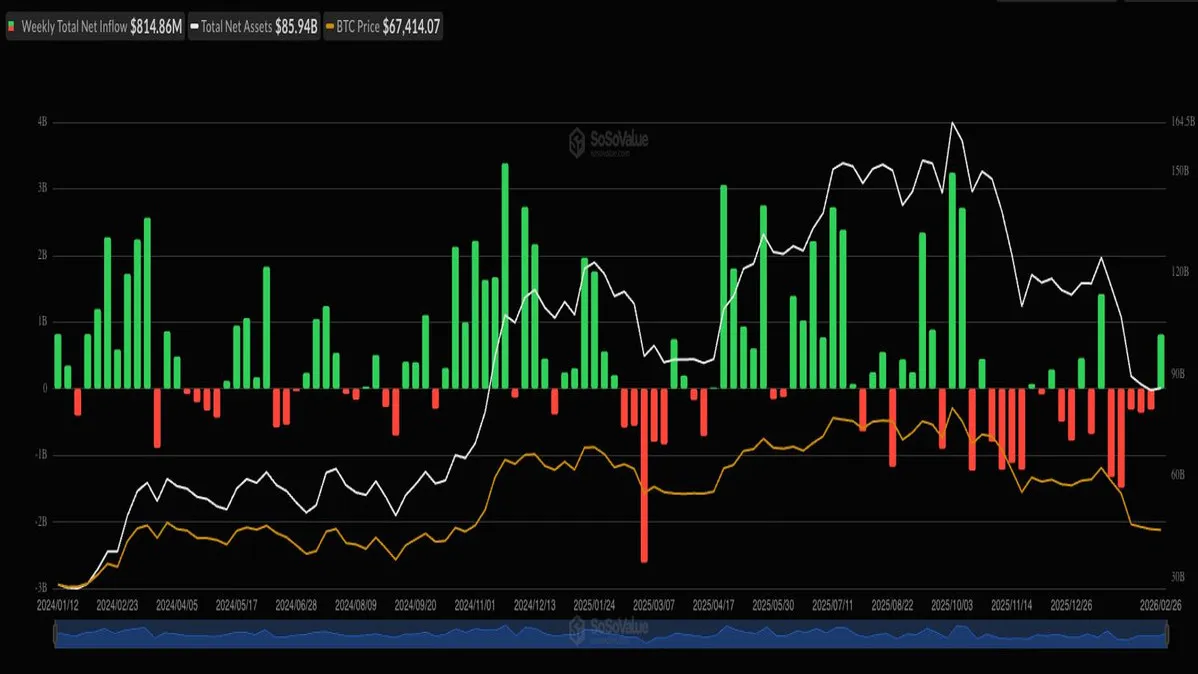
The world of cryptocurrency investment is experiencing a significant surge, with U.S. spot bitcoin exchange-traded funds (ETFs) poised for their largest weekly net inflow in six weeks. Over just three days, these funds attracted a staggering $1.1 billion, signaling renewed institutional and retail investor confidence. This influx comes as bitcoin's price shows notable resilience, trading near recent highs and drawing capital back into the digital asset space after a period of outflows.
However, this financial optimism exists against a backdrop of escalating global cybersecurity threats. Security analysts warn that the immense value flowing into crypto markets makes them a prime target for sophisticated cybercriminals. The techniques used are increasingly advanced, moving beyond simple scams to complex attacks on the very infrastructure supporting digital finance.
A primary concern is the rise of ransomware attacks, where hackers encrypt a victim's data and demand payment in cryptocurrency for its release. These attacks often exploit unpatched software vulnerabilities, sometimes even leveraging unknown zero-day flaws that give developers no time to create a fix before they are actively used in attacks. A single successful breach at a key financial institution or crypto exchange could lead to catastrophic losses and erode the very trust fueling the current ETF boom.
Furthermore, the threat landscape is crowded with phishing campaigns specifically tailored to steal crypto wallet credentials and private keys. These deceptive emails and websites mimic legitimate platforms, tricking users into surrendering access to their digital assets. The pseudo-anonymous and irreversible nature of blockchain transactions means that once crypto is stolen, recovery is nearly impossible, making prevention through security awareness critical.
The intersection of high-value crypto assets and complex digital infrastructure creates a perfect storm for malicious exploits. Cybersecurity firms are in a constant race to identify and patch vulnerabilities in trading platforms, wallet services, and blockchain networks themselves before attackers can weaponize them. This ongoing battle underscores a fundamental tension in the digital asset ecosystem: the promise of decentralized finance versus the centralized points of failure in its supporting technology.
In response, regulators and ETF issuers are emphasizing robust security protocols. This includes implementing multi-signature wallets, cold storage solutions for the bulk of assets, and continuous network monitoring for suspicious activity. The message to investors is clear: while the financial potential is significant, understanding the associated cyber risks is non-negotiable.
Ultimately, the record-breaking week for bitcoin ETFs highlights a maturing market attracting mainstream capital. Yet, its long-term stability and growth are inextricably linked to the broader fight against malware, data breaches, and financial cybercrime. The security of the underlying blockchain technology and the ecosystems built around it will remain a critical determinant of cryptocurrency's future as a legitimate asset class.