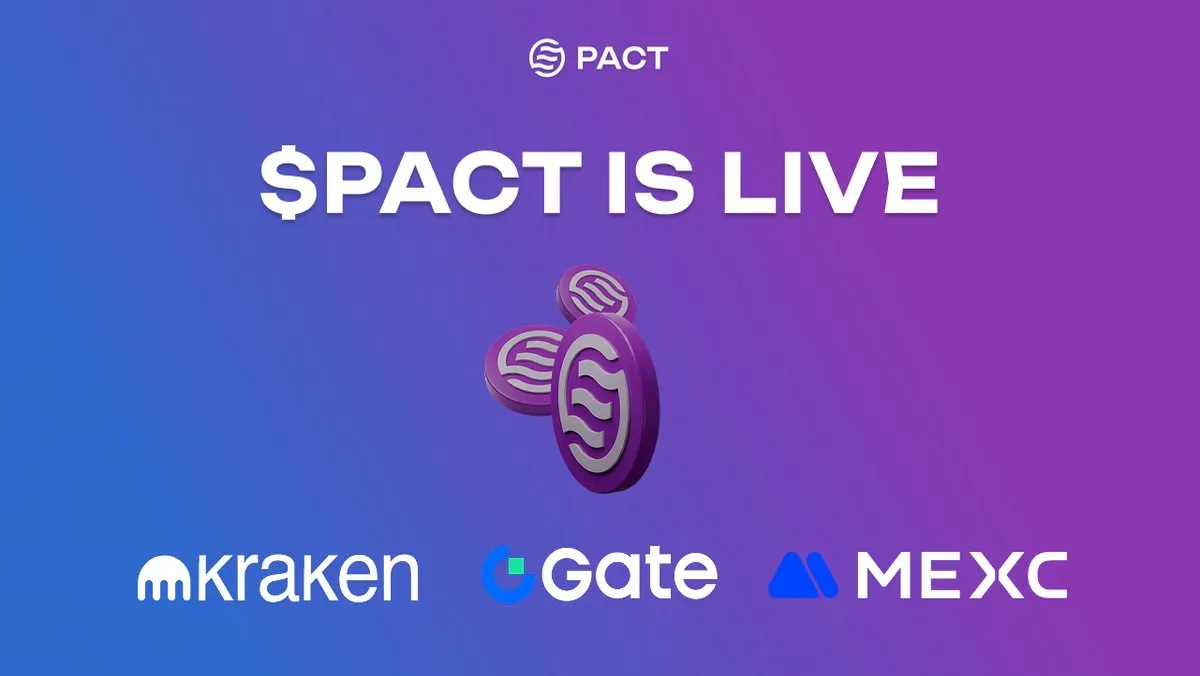
In a significant move for the cryptocurrency and cybersecurity communities, the blockchain-based cybersecurity platform PACT has announced that its native token, $PACT, is now listed for trading on three major global exchanges: Kraken, MEXC, and Gate.io. This expansion marks a pivotal step in PACT's mission to leverage blockchain technology to combat the escalating threats of malware, ransomware, and data breaches plaguing the digital world.
The PACT platform is designed to create a decentralized security ecosystem. It aims to incentivize ethical hackers and security researchers to proactively identify and report critical software vulnerabilities, including dangerous zero-day exploits, before malicious actors can weaponize them. By using a crypto-economic model, PACT seeks to streamline the vulnerability disclosure process, offering faster and more transparent rewards through its $PACT token.
Cybersecurity experts have long noted the inefficiencies in traditional bug bounty programs and the thriving black market for exploits. PACT’s model proposes a blockchain-based solution where verified vulnerability reports are immutably logged, and researchers are compensated directly in $PACT. This system aims to reduce the incentive for selling exploits to groups that deploy ransomware or orchestrate sophisticated phishing campaigns aimed at massive data breaches.
The new exchange listings on Kraken, MEXC, and Gate provide crucial liquidity and accessibility for the $PACT token. This development allows a broader base of investors and supporters to participate in the PACT ecosystem. Increased token utility is expected to fuel the platform's growth, enabling more robust funding for security research and faster responses to emerging digital threats.
The timing of this announcement is particularly relevant. As ransomware attacks become more targeted and costly, and phishing schemes grow increasingly sophisticated, the need for innovative defense mechanisms is acute. PACT’s approach of using crypto incentives to crowdsource cybersecurity could potentially disrupt how organizations discover and patch vulnerabilities, moving from a reactive to a proactive security posture.
However, the platform operates in a complex regulatory and technical landscape. The success of such a decentralized model depends on widespread adoption by both security professionals and the organizations seeking protection. Furthermore, the volatile nature of the crypto market adds a layer of financial risk to the reward mechanism for researchers.
Despite these challenges, the listing on three reputable exchanges is a strong vote of confidence in PACT's vision. It signifies a growing recognition of the potential synergy between blockchain technology and cybersecurity solutions. As the $PACT token becomes more widely traded, the industry will be watching closely to see if this novel model can deliver on its promise to make the digital frontier a safer place for all.