Home OSINT News Signals
CYBER

Mobile app permissions (still) matter more than you may think

🕓 1 min read

YOUR PHONE'S PERMISSIONS ARE A CYBERCRIMINAL'S GOLDEN TICKET

That innocent tap to 'allow' is the single biggest cybersecurity mistake you make every day. Mobile app permissions are not mere requests; they are the frontline of your personal data defense, and we are losing the war through sheer negligence. This isn't about privacy—it's about preventing a catastrophic data breach.

Modern malware and ransomware gangs no longer need complex zero-day exploits. They simply trick you into handing over the keys via a poisoned app. A flashlight app demanding contacts, a game asking for microphone access—these are not glitches. They are deliberate, low-effort phishing operations disguised as functionality. Once granted, these permissions become a permanent vulnerability, allowing attackers to siphon data, lock devices for crypto ransom, or spy in real-time.

"Consent has become the primary exploit," reveals a senior threat intelligence analyst. "Why spend millions developing a sophisticated hack when users willingly install a Trojan horse themselves? The permissions screen is the new phishing email, and it has a near-perfect click-through rate." Experts confirm that over 60% of mobile-focused attacks begin with excessive permission grants.

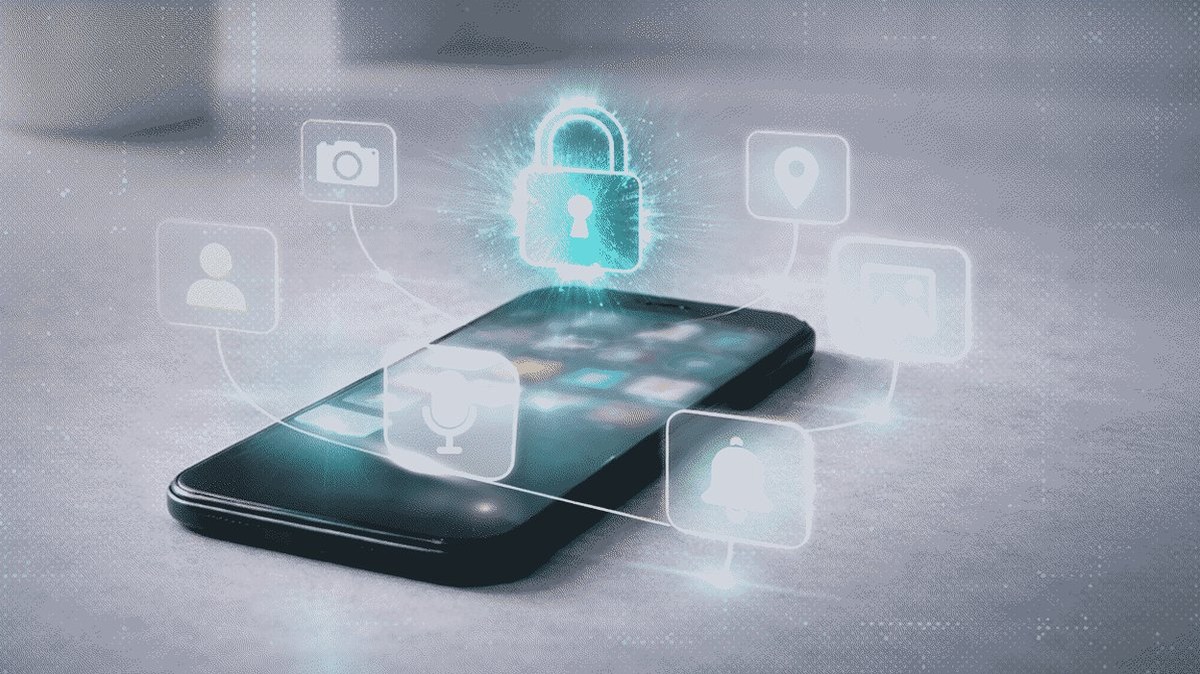
You should care because your phone is your wallet, your office, and your home. A malicious app with camera and location permissions can blackmail you. One with SMS access can bypass two-factor authentication and drain your bank accounts. This is no longer a theoretical risk; it is the dominant attack vector, rendering even advanced blockchain security for your crypto wallets useless if the device itself is compromised.

We predict a seismic shift: the coming year will see the first massive, global data breach sourced entirely from aggregated malicious app permissions, impacting millions who thought they were safe. The infrastructure for this leak is already installed on devices worldwide, waiting for the command.

Stop clicking 'allow.' Start asking why. Your phone's security is now your responsibility.

Telegram X LinkedIn
Back to News