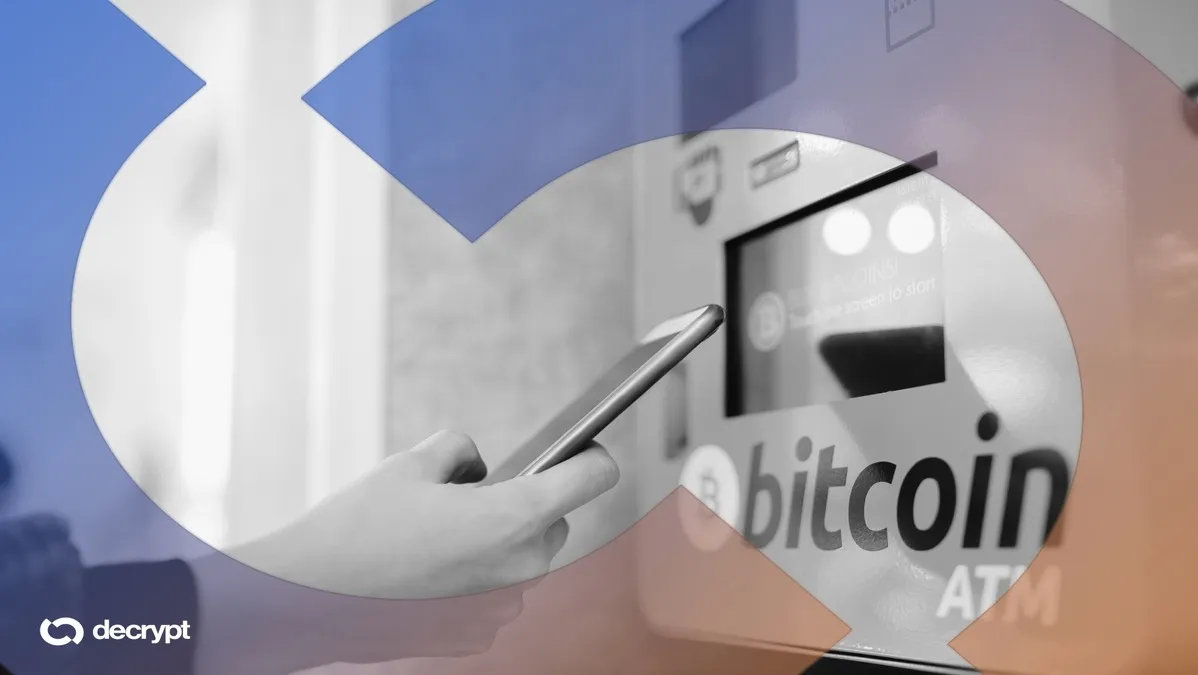
In a move that has sent shockwaves through the cryptocurrency community, the state of Minnesota is considering legislation that would enact a total ban on Bitcoin and cryptocurrency ATMs. The proposed bill, framed as a critical cybersecurity measure, aims to sever a key avenue for financial crime, citing an alarming rise in scams, ransomware payouts, and data breaches facilitated by the machines.
Lawmakers backing the bill argue that crypto kiosks have become a primary tool for malicious actors. "These ATMs are the preferred cash-out point for ransomware gangs," stated the bill's lead sponsor. "They allow criminals to anonymously convert illicit crypto gains into cash, fueling further attacks." The legislation highlights the role of these machines in "phishing" scams, where victims are tricked into depositing money directly into a scammer's wallet at a public kiosk, with no recourse for recovery.
The proposed ban directly ties the physical machines to the digital threats plaguing businesses and individuals. Security experts note that the pseudo-anonymous and irreversible nature of cryptocurrency transactions makes them ideal for extortion. Following a data breach or a successful ransomware "exploit," payments are often demanded in crypto, which can be liquidated at ATMs. The bill also points to the potential use of "zero-day" vulnerability research being funded by these illicit cash streams.
Proponents insist the ban is a necessary step to protect consumers, particularly the elderly and vulnerable populations most targeted by crypto ATM scams. They describe the kiosks, often found in convenience stores and shopping malls, as an unregulated backdoor that undermines traditional financial safeguards and anti-money laundering protocols. The move is seen as a drastic but definitive strike against the financial infrastructure of cybercrime.
Unsurprisingly, the cryptocurrency industry and digital rights advocates have condemned the proposal as overly broad and counterproductive. "A ban punishes legitimate users and stifles innovation while doing little to address the root causes of cybercrime," argued a spokesperson for a blockchain advocacy group. They contend that better regulation, transaction limits, and enhanced identity verification at ATMs are more effective solutions than an outright prohibition.
The debate in Minnesota is being closely watched as a potential bellwether for other states. It represents a significant escalation in the regulatory confrontation between government authorities and the decentralized crypto economy. If passed, Minnesota would become the first state to implement such a comprehensive ban, setting a precedent that could reshape access to digital assets across the nation.
As the legislative process unfolds, the core question remains: is a blanket ban on crypto ATMs a vital shield against cyber threats like malware and ransomware, or is it a misguided measure that will simply drive illicit activity further underground while harming lawful participants in the growing digital asset space? The outcome in Minnesota may provide a pivotal answer.