Bitcoin's Rebound Stalls as Traditional Havens Shine Amid Macro Fears
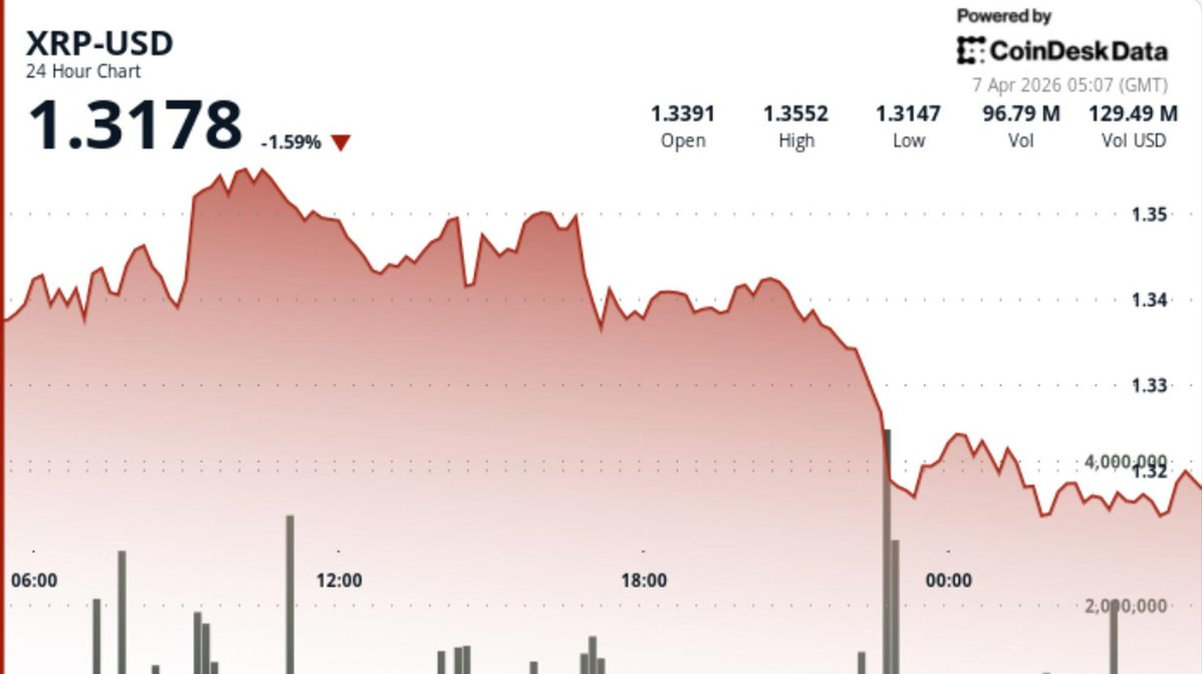
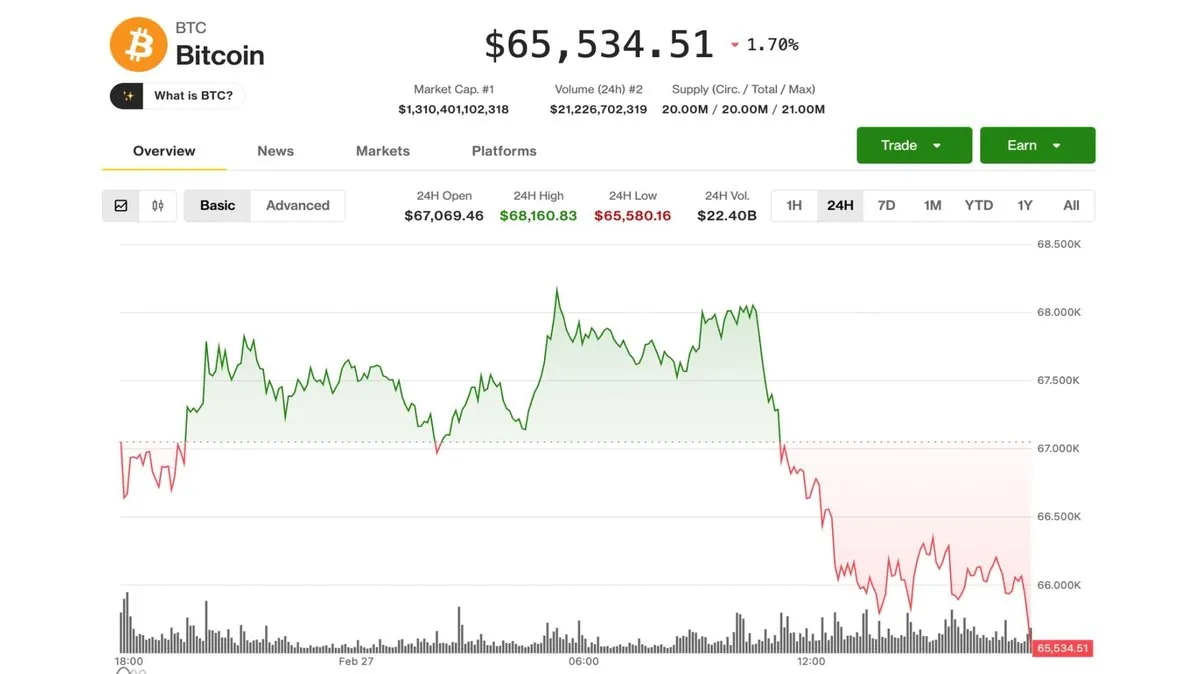
A nascent recovery in Bitcoin and the broader cryptocurrency market was abruptly halted on Thursday, as a sharp sell-off in U.S. equities and a surge toward traditional safe havens like gold underscored mounting macroeconomic anxieties. The digital asset, which had climbed back toward $68,000 earlier in the week, retreated alongside tech stocks, breaking its recent correlation with the Nasdaq. Analysts point to a "risk-off" sentiment sweeping global markets, driven by hotter-than-expected inflation data and shifting expectations for interest rate cuts.
The flight to safety was most evident in the commodities market, where gold prices soared to a new all-time high. This stark divergence highlights a key narrative: in times of acute macroeconomic uncertainty, institutional and traditional investors still overwhelmingly favor proven stores of value over volatile digital assets. "Crypto is still perceived as a risk-on, growth-dependent asset class," noted Clara Vance, chief strategist at Meridian Capital. "When equity markets tremble on fears of 'higher for longer' rates, capital often exits crypto with even greater velocity."
Meanwhile, the technology sector faces a parallel storm, not from market forces, but from a relentless wave of cybersecurity threats. Security firms have issued urgent warnings about a new wave of sophisticated phishing campaigns targeting financial and tech employees. These attacks often serve as the initial entry point for more devastating breaches. Separately, researchers at Sentinel Labs disclosed a critical zero-day vulnerability in a widely used enterprise software, which state-aligned hackers are actively seeking to exploit.
The cybersecurity landscape grew darker with confirmation of a massive data breach at a major health insurer, potentially exposing records of millions. In a chilling development, the hacking group responsible has deployed a new variant of ransomware that not only encrypts files but also exfiltrates sensitive data, threatening public release if a crypto ransom is not paid. This double-extortion tactic has become alarmingly common, complicating recovery efforts for victims.
These incidents underscore a brutal reality: as digital infrastructure expands, so does the attack surface for malware and other intrusions. The discovery of the zero-day flaw, in particular, sends a shudder through IT departments, as such vulnerabilities are unknown to vendors and therefore have no patch available at the time of discovery, leaving systems defenseless until a fix is developed.
Some security pioneers are looking to the underlying technology of digital assets for solutions. Projects are increasingly utilizing blockchain to create immutable audit trails for network access and data transfers, aiming to make data breaches easier to detect and trace. While this application of distributed ledger technology is in its infancy, it represents a potential convergence point between the worlds of digital assets and enterprise security.
For now, however, the immediate picture is one of caution. The simultaneous pressures of macroeconomic headwinds and escalating digital threats are creating a complex environment for investors and corporations alike. Bitcoin's failed rebound suggests that until broader market stability returns, cryptocurrencies may struggle to decouple from traditional risk assets. The surge in gold, contrasted with the flurry of alarming cybersecurity bulletins, paints a clear picture of a market seeking shelter in the familiar while bracing for storms in the digital realm.