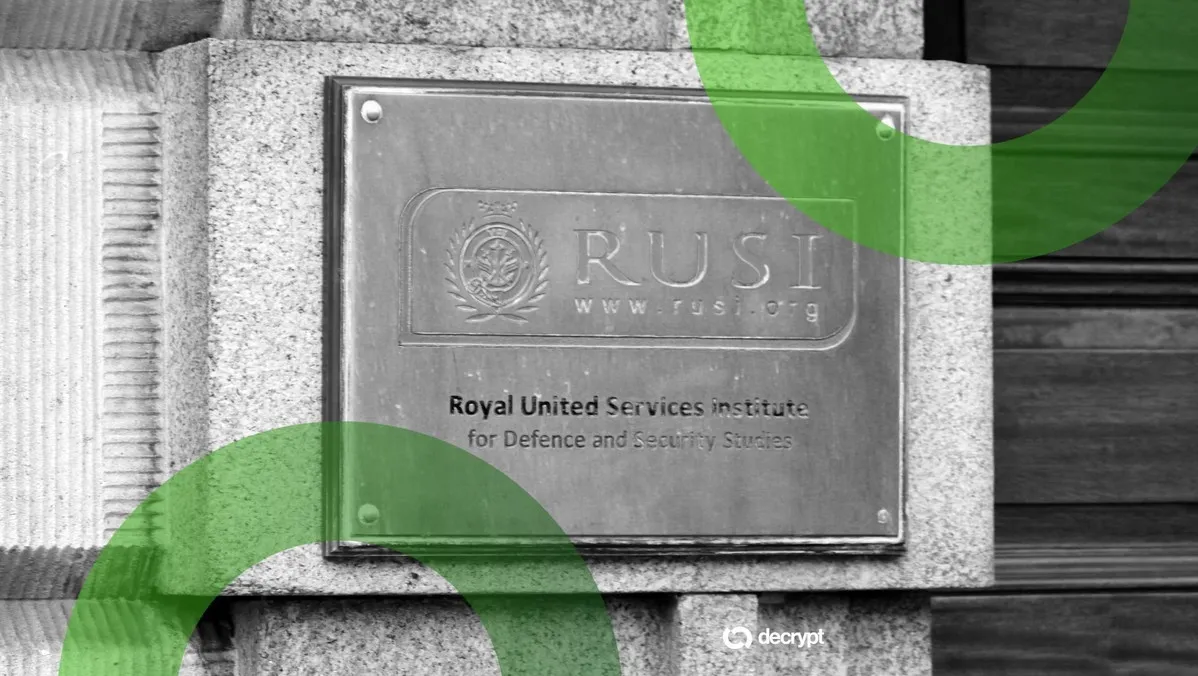
A prominent British think tank has issued a stark warning against proposed government bans on privacy-enhancing technologies within the cryptocurrency ecosystem. The report, released today, argues that such measures would be dangerously counterproductive, undermining both cybersecurity and financial innovation while failing to achieve their stated goal of curbing illicit finance.
The policy debate has intensified following several high-profile ransomware attacks, where cybercriminals used crypto mixing services to obscure the trail of stolen funds. These attacks often exploit a critical software vulnerability or a newly discovered zero-day flaw to infiltrate corporate networks, deploy file-encrypting malware, and demand a ransom paid in cryptocurrency. The resulting data breach can be catastrophic for victims.
In response, legislators in the UK and elsewhere are drafting laws that could restrict or outlaw technologies that provide transactional privacy on public blockchains. Proponents argue this is necessary to prevent the exploitation of crypto assets for money laundering and to disrupt the funding of cybercrime operations, particularly those involving sophisticated phishing campaigns designed to steal credentials and initiate an attack.
However, the think tank's analysis presents a compelling counterargument. It asserts that a blanket ban would simply drive the use of these tools underground, making them harder for law enforcement and compliance officers to monitor. "You cannot legislate away the mathematics of cryptography," the report states. "Banning regulated, transparent privacy protocols will only empower unregulated, opaque alternatives, reducing overall visibility."
Furthermore, the report highlights the legitimate cybersecurity uses of these technologies. For businesses and individuals operating in high-risk environments, transactional privacy is a critical security feature. It can protect companies from targeted attacks that begin with analyzing public blockchain data to identify weak points, a common precursor to a custom exploit. Shielding financial flows can be as vital as patching a software vulnerability.
The authors also warn of a significant innovation drain. The United Kingdom has positioned itself as a global hub for blockchain technology. A prohibitive stance on privacy tools, they argue, would stifle development in areas like confidential smart contracts and secure digital identity, pushing talent and investment to more permissive jurisdictions. This could leave the UK weaker in the long-term cybersecurity landscape.
Instead of outright bans, the report advocates for a nuanced, risk-based regulatory approach. It recommends fostering closer collaboration between cryptocurrency firms, cybersecurity experts, and financial intelligence units. The focus should be on enhancing forensic capabilities to trace illicit finance even on privacy-preserving networks and mandating strict know-your-customer (KYC) checks at the points where traditional finance interacts with crypto.
The conclusion is clear: in the complex fight against ransomware and cybercrime, blunt instruments are ineffective. Preserving the ability to innovate in cybersecurity and blockchain, while developing smarter investigative tools, offers a more sustainable path forward than prohibitions that may inadvertently strengthen the very threats they aim to eliminate.