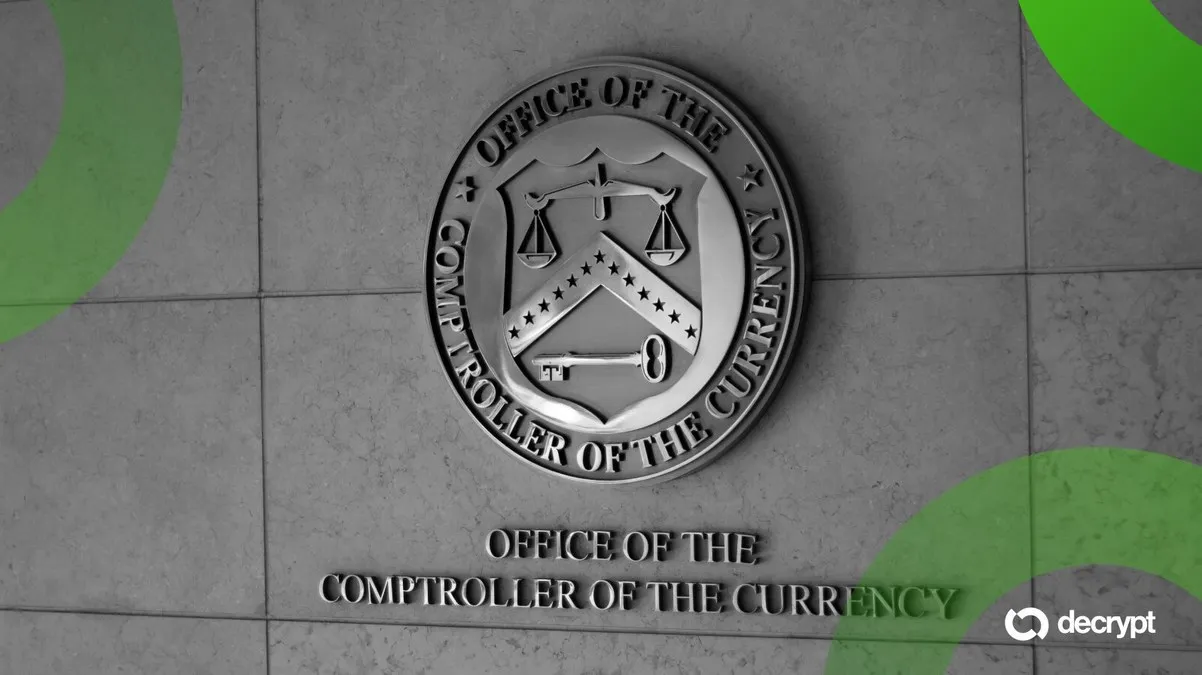
The Office of the Comptroller of the Currency (OCC) has released a comprehensive new framework outlining how national banks and federal savings associations may engage in certain stablecoin activities. This guidance, issued under the authority of the recently passed GENIUS Act, aims to bring regulatory clarity to the intersection of traditional finance and blockchain-based digital assets, specifically focusing on dollar-pegged stablecoins.
Michael J. Hsu, the Acting Comptroller of the Currency, stated that the framework is designed to ensure these activities are conducted in a safe, sound, and fair manner. "The rapid adoption of stablecoins presents both opportunity and risk," Hsu said. "This framework provides a path for regulated banks to participate, ensuring consumer protection and financial stability are prioritized alongside innovation."
However, the announcement comes amid heightened concerns from cybersecurity experts. They warn that the increasing institutional adoption of crypto and blockchain technologies presents a lucrative new attack surface for malicious actors. The potential for a major data breach or financial disruption is significant, as these systems manage vast sums of digital value.
A primary threat is the rise of sophisticated ransomware attacks targeting the infrastructure of financial institutions dealing in digital assets. Cybercriminals could deploy malware to lock critical systems, demanding payment in cryptocurrency to restore access. Furthermore, the discovery of a zero-day vulnerability in a widely used blockchain oracle or smart contract platform could be catastrophic, allowing attackers to drain funds before a patch is developed.
The OCC's framework explicitly addresses these risks. It mandates that banks implementing stablecoin services must establish robust cybersecurity protocols that exceed standard requirements. These include continuous monitoring for phishing attempts targeting employees, rigorous smart contract audits to identify potential exploits, and comprehensive incident response plans specifically for digital asset-related compromises.
"Regulation is a crucial layer of defense," explained a senior OCC official involved in the framework's creation. "By bringing these activities inside the regulated perimeter, we can enforce baseline security standards, conduct examinations, and ensure institutions are prepared to respond to threats like a novel crypto-focused exploit or a coordinated phishing campaign."
The long-term impact of this regulatory move remains to be seen. While it promises greater stability and security for the stablecoin ecosystem, the relentless evolution of cyber threats means vigilance is paramount. The success of the GENIUS Act's vision will depend not just on sound policy, but on the financial industry's ability to stay ahead of the next wave of malware, ransomware, and sophisticated attacks targeting the digital frontier of finance.