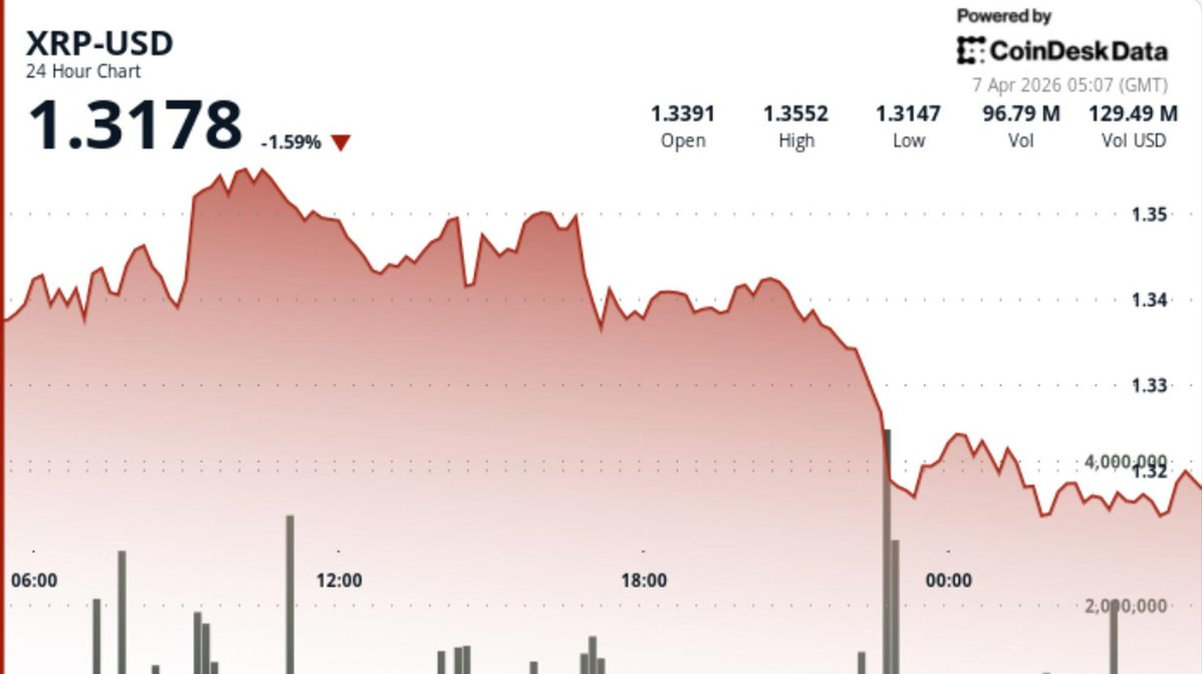
A curious divergence is unfolding in the cryptocurrency markets, with a specific focus on XRP. While open interest in XRP futures contracts has seen a notable decline, on-chain data and exchange flow metrics reveal a significant and sustained surge in spot buying. This institutional pivot, from speculative derivatives to direct asset acquisition, signals a profound shift in strategy, driven by a confluence of regulatory clarity and a broader flight to security in a treacherous digital landscape.
Analysts point to the recent landmark summary judgment in the SEC vs. Ripple case as the primary catalyst. The court's finding that XRP is not inherently a security when sold to the public has provided a level of regulatory certainty unmatched by most other major digital assets. For institutional investors, this legal clarity reduces a monumental layer of risk. The slump in futures open interest suggests a winding down of high-leverage, short-term bets on price volatility. Instead, capital is being deployed to secure the actual asset, indicating a longer-term, custody-focused outlook.
This trend is further amplified by the prevailing environment in traditional finance, where cybersecurity threats loom large. High-profile data breaches, sophisticated phishing campaigns, and devastating ransomware attacks have underscored the fragility of conventional digital infrastructure. In this context, the inherent security attributes of blockchain technology—immutability, transparency, and cryptographic verification—are being reappraised. XRP, with its established use case for cross-border settlement, is being viewed not just as an asset, but as a stake in a more resilient financial protocol.
The move away from complex derivatives also reflects a de-risking maneuver. Futures and perpetual swaps can be vulnerable to sudden liquidation cascades and exploit-driven market manipulations. The crypto derivatives landscape has witnessed multiple crises where vulnerabilities in contract code or oracle systems were targeted. By accumulating the spot asset, institutions are sidestepping the counterparty and systemic risks embedded in leveraged derivative products. This is a tangible vote of confidence in the underlying network's utility over synthetic financial engineering.
Market technicians observe that this spot accumulation is occurring even during periods of price consolidation or moderate decline—a classic sign of strong-handed buying. Exchange reserves of XRP are falling, indicating coins are being withdrawn to private custody, likely by institutional wallets and custody services. This reduction in readily tradable supply can create a technical backdrop conducive to upward price movement once broader market sentiment turns positive, as the available liquidity on exchanges is diminished.
Security researchers note that the entire digital asset space remains a target. Zero-day vulnerabilities in wallet software or network protocols, and new strains of malware designed to hijack crypto assets, are constant threats. However, the institutional shift to direct custody, often using qualified custodians with institutional-grade cybersecurity measures, is a direct response to these threats. It represents a maturation in approach, prioritizing asset safety and regulatory compliance over the high-risk, high-reward allure of derivatives trading.
In essence, the divergence between spot buying and futures interest for XRP is a macroeconomic indicator. It reveals a sophisticated investor class that is moving beyond pure speculation. They are allocating capital to a digital asset with clearer regulatory standing, one that represents a functional alternative to legacy systems perceived as increasingly vulnerable. This pivot from paper contracts to real asset accumulation may well be setting the stage for XRP's next chapter, not as a mere trading instrument, but as a cornerstone asset in the evolving architecture of global finance.