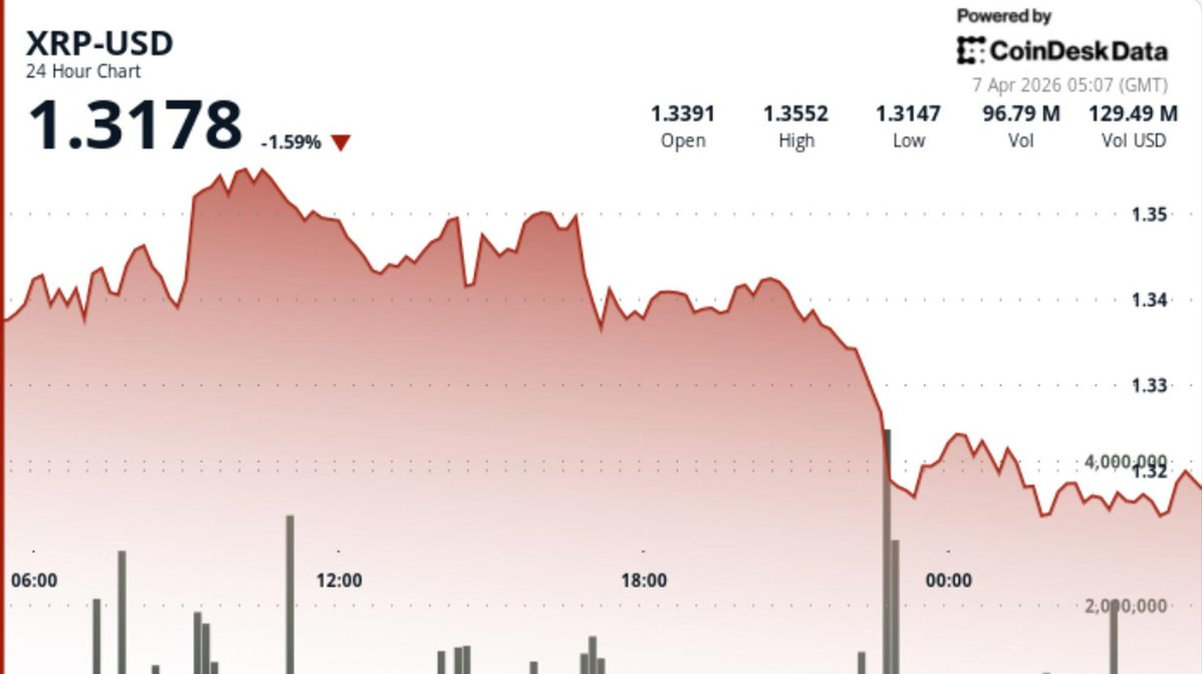
The relentless surge of cryptocurrency markets captured headlines this week as Bitcoin briefly pierced the symbolic $70,000 barrier. However, the rally’s momentum proved fleeting, with the flagship digital asset quickly retreating as investor enthusiasm pivoted toward a broad spectrum of alternative coins, or altcoins. This rotation of capital signals a maturing market dynamic but also coincides with a stark warning from the cybersecurity community, highlighting the digital asset sector's persistent vulnerabilities.
Security analysts are raising alarms over a sophisticated new ransomware strain specifically targeting cryptocurrency wallets and exchange platforms. Dubbed "CryptoLocker Zero," this malware leverages a previously unknown, or zero-day, vulnerability in popular wallet software. The exploit allows attackers to silently drain funds from compromised devices, representing a direct and devastating data breach of personal financial assets. The incident underscores that in the world of digital value, cybersecurity is not just about protecting information but safeguarding direct monetary value.
The attack vector appears multifaceted. Initial infections are believed to spread through highly targeted phishing campaigns disguised as legitimate communications from wallet providers and trading platforms. Once a user clicks a malicious link or opens a booby-trapped attachment, the malware installs itself, lying in wait. It then activates the zero-day exploit to bypass security protocols and initiate unauthorized transactions, siphoning cryptocurrencies into wallets controlled by the attackers.
What makes "CryptoLocker Zero" particularly insidious is its abuse of the very technology meant to ensure security: the blockchain. The attackers use automated scripts to immediately disperse stolen funds across a complex web of wallets and utilize decentralized exchanges to obscure the trail. This process, known as "chain-hopping," leverages the immutable and public nature of the blockchain to create a labyrinthine audit trail that is exceptionally difficult for investigators to unravel in time to freeze assets.
The emergence of this threat has sparked urgent collaboration between blockchain forensic firms, major exchange security teams, and international cybercrime units. Their immediate goal is to patch the exploited vulnerability and blacklist the identified malicious wallet addresses. However, experts concede that the reactive nature of such measures highlights a critical weakness in the crypto ecosystem's defenses, where security often struggles to keep pace with innovative criminal exploits.
For individual investors, the advice from security professionals remains emphatically clear. Vigilance against phishing attempts is the first and most crucial line of defense. This includes rigorously verifying the authenticity of all communications, using hardware wallets for significant fund storage, and enabling multi-factor authentication on all exchange accounts. The promise of crypto and blockchain technology is built on decentralization and self-custody, which inherently places the burden of security significantly on the end-user.
As the altcoin market continues its volatile dance, the parallel narrative of escalating cyber threats serves as a sobering counterpoint. The financial revolution promised by digital assets is inextricably linked to an ongoing arms race in cybersecurity. Each technological leap forward, whether in market valuation or blockchain utility, inevitably attracts adversaries seeking to exploit its weaknesses. The battle to secure digital assets, from Bitcoin to the smallest altcoin, is now a central and enduring front in the global fight against cybercrime.