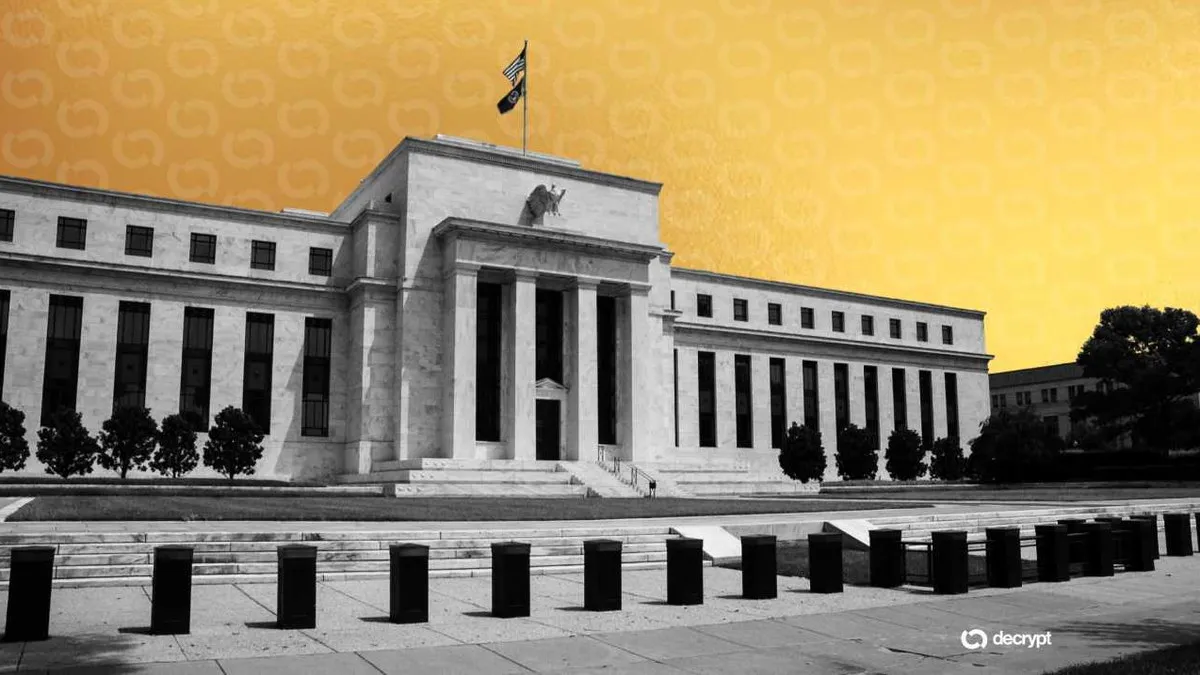
In a significant shift for the financial regulatory landscape, the Federal Reserve is moving to permanently remove the concept of "reputational risk" from its supervisory framework for banks. The proposed change, detailed in a new policy draft, argues that the term is too vague and subjective, leading to inconsistent and potentially unfair enforcement. Instead, regulators would focus on more concrete, quantifiable risks directly tied to a bank's safety and soundness.
This decision comes amid an era of escalating digital threats, where banks are prime targets for sophisticated cyberattacks. The financial sector faces constant pressure from malware, ransomware gangs, and coordinated data breach campaigns. A single successful attack exploiting a software vulnerability or a clever phishing scheme can cause immense financial and operational damage, far beyond any abstract hit to reputation.
Critics of the old standard argued that "reputational risk" could be wielded arbitrarily, potentially penalizing banks for legal but unpopular business decisions or for being victims of crimes like cyberattacks. The Fed's new stance suggests that supervision should concentrate on whether a bank has robust defenses, effective incident response plans, and sufficient capital to absorb losses from an exploit, not on the public relations fallout.
The timing of this regulatory pivot is notable. As financial institutions increasingly integrate crypto assets and blockchain technologies into their services, they encounter novel and complex risks. These digital frontiers are rife with potential zero-day vulnerabilities in new software and present fresh avenues for attack. A clearer, more objective supervisory focus is seen by proponents as essential for fostering responsible innovation in this space.
Cybersecurity experts offer mixed reactions. Some applaud the move toward technical specificity, believing it will force examiners to look directly at a bank's cyber hygiene, patching cadence, and employee training programs. Others warn that dismissing reputational consequences is shortsighted. They contend that a major breach erodes customer trust and investor confidence, which are fundamental to a bank's stability and can trigger tangible financial harm, including deposit flight and increased funding costs.
The proposed rule is now open for public comment. If finalized, it will represent a fundamental rethinking of how regulators assess the health of the banking system. In an age where a ransomware attack can be as crippling as a bad loan portfolio, the Fed is signaling that its primary lens will be on the digital armor and financial resilience of an institution, separating those concrete metrics from the more nebulous court of public opinion. The ultimate goal is a more resilient banking sector, judged by its preparedness for the real and present dangers of the modern world.