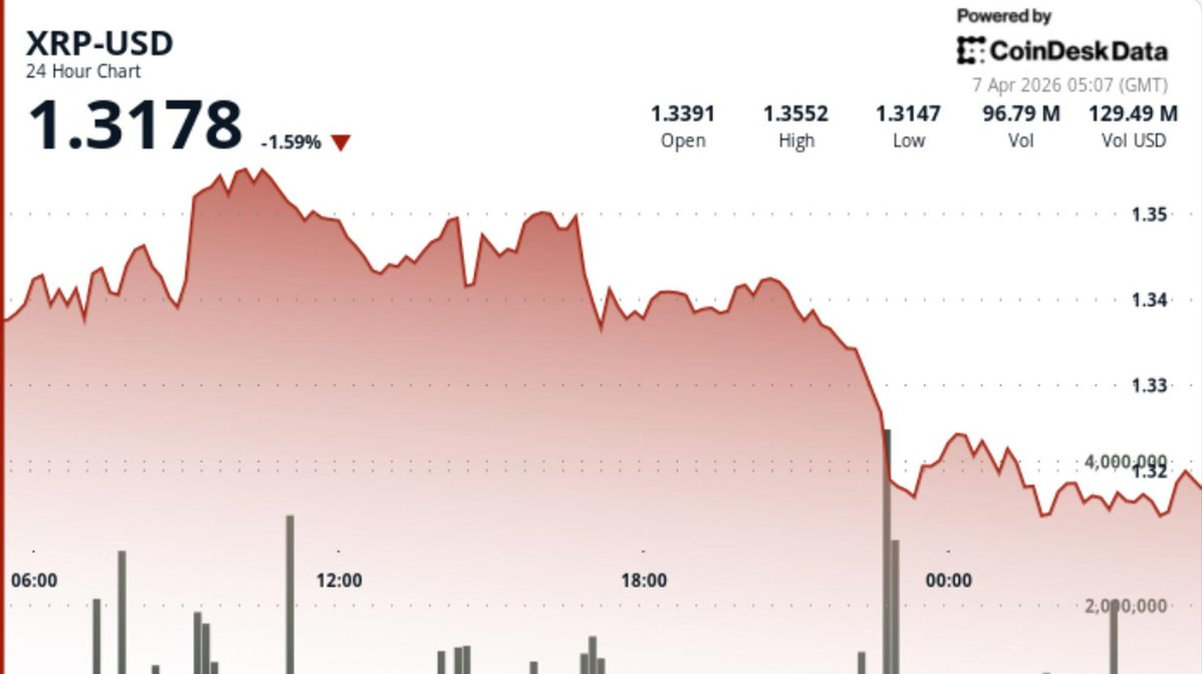
The cryptocurrency market is facing a significant test of investor confidence, as new data reveals a fifth consecutive week of outflows from digital asset investment funds. This sustained retreat, totaling over $1.2 billion in the last month alone, signals a deepening sense of fatigue and caution among institutional and retail investors, despite a period of relative price stability for major assets like Bitcoin.
Analysts point to a confluence of factors driving the exodus. A primary concern is the persistent and evolving threat landscape within the broader digital ecosystem. High-profile incidents involving cybersecurity failures, sophisticated malware, and crippling ransomware attacks have cast a long shadow. The fear of a catastrophic data breach at a major exchange or custodial service continues to loom large, making investors wary of holding assets in potentially vulnerable platforms.
The technical underpinnings of the crypto space are also under scrutiny. The discovery of a critical zero-day vulnerability in a widely used blockchain protocol last month sent shockwaves through developer communities. While promptly patched, the incident was a stark reminder that the complex code supporting digital assets is not impervious to flaws that could be exploited by malicious actors. Such vulnerabilities undermine the foundational promise of security and immutability.
Further eroding trust are the ever-present threats of social engineering. Phishing campaigns have grown increasingly targeted and convincing, often masquerading as communications from legitimate wallet providers or decentralized finance (DeFi) protocols. These exploits successfully drain funds from unsuspecting users, highlighting that the human element remains the weakest link in the security chain, regardless of the robustness of the underlying blockchain technology.
This "trust deficit" is having a tangible impact on investment behavior. The outflows are not limited to broad market funds but are also evident in products tied to specific altcoins and blockchain infrastructure projects. The market is experiencing a flight to quality and simplicity, with a notable portion of the remaining capital seeking the perceived relative safety and liquidity of Bitcoin over more speculative tokens.
Industry leaders acknowledge the challenge. "Security is not a feature; it is the prerequisite for mainstream adoption," stated Elena Vance, CEO of a blockchain security firm. "Every ransomware attack on a traditional corporation that demands crypto payment, and every phishing scam that succeeds, sets back public perception. We are in a critical phase where building resilient systems and promoting user education is as important as technological innovation."
The current trend suggests that for the crypto market to attract sustained institutional capital, it must demonstrate not just price potential but also operational maturity. Overcoming the persistent shadows of cybersecurity threats, malicious exploits, and technical vulnerabilities is paramount. Until investors feel confident that their assets are secure from breach and theft, the cycle of cautious withdrawals may continue, testing the resilience of the market's long-term bullish narrative.