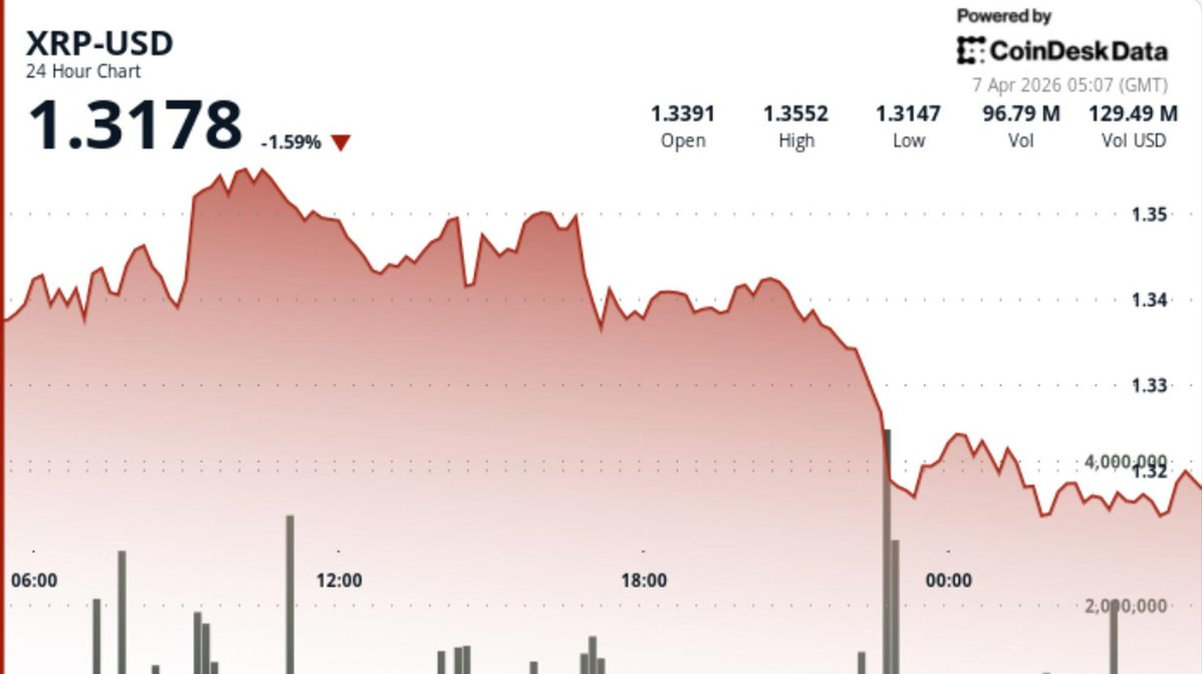
The cryptocurrency market is experiencing a severe downturn, with Bitcoin's price plunging below the critical $63,000 mark. This sharp decline signals what many analysts are calling a phase of "full capitulation," where widespread selling by discouraged investors overwhelms any buying pressure. The drop has triggered billions of dollars in liquidations across leveraged trading positions, creating a cascade of forced sell-offs that deepen the losses. Market sentiment has turned deeply fearful, erasing gains from earlier in the year and pushing the entire digital asset sector into the red.
While market dynamics and macroeconomic pressures are primary drivers, the cybersecurity landscape is increasingly influencing investor confidence and asset security. The inherent digital nature of cryptocurrencies makes them a constant target for sophisticated cyber threats. Recent weeks have seen a notable spike in security incidents targeting both individual holders and major trading platforms, compounding the market's instability.
Security firms are reporting a surge in sophisticated phishing campaigns specifically designed to capitalize on the market panic. These attacks often mimic legitimate trading sites or wallet services, tricking users into surrendering their private keys or login credentials. Furthermore, hackers are actively exploiting newly discovered software vulnerabilities, known as zero-day exploits, in popular crypto wallets and exchange interfaces. A single unpatched vulnerability can lead to a catastrophic data breach, resulting in the irreversible theft of digital assets.
The threat of ransomware also looms large, with criminal groups increasingly demanding payments in cryptocurrencies due to their pseudo-anonymous nature. These attacks often paralyze critical infrastructure or corporate networks, with ransom notes specifying Bitcoin or Monero transfers. The connection between ransomware payouts and the crypto market is direct; large-scale conversions of stolen fiat into crypto can create localized selling pressure, while the visibility of these illicit flows can attract regulatory scrutiny that further dampens market sentiment.
In response to these persistent threats, the industry is turning to its own foundational technology for solutions. Advanced blockchain analytics firms are deploying tools to trace the movement of stolen funds across public ledgers, helping to identify and sometimes freeze illicit transactions. Meanwhile, developers are prioritizing security audits and formal verification of smart contracts to eliminate vulnerabilities before they can be exploited. The concept of "decentralized security," using blockchain-based protocols for identity verification and secure transactions, is gaining traction as a potential long-term defense.
Despite these technological arms races, the human element remains the weakest link. Experts consistently stress that the majority of crypto asset losses stem from social engineering attacks like phishing, rather than direct breaks in blockchain cryptography. As the market undergoes this stressful correction, security professionals warn investors to be hyper-vigilant. Verifying website URLs, using hardware wallets for storage, and enabling multi-factor authentication are now considered essential practices, not optional steps.
The current market capitulation presents a complex picture where financial volatility and digital security are inextricably linked. The pressure of falling prices tests both the resilience of blockchain networks and the discipline of their users. For the market to stabilize and recover, restoring trust is paramount. This will require not only a macroeconomic shift but also demonstrable progress in securing the ecosystem against the relentless threats of malware, exploitation, and fraud. The path forward hinges on building a more robust and security-conscious infrastructure to support the future of digital finance.