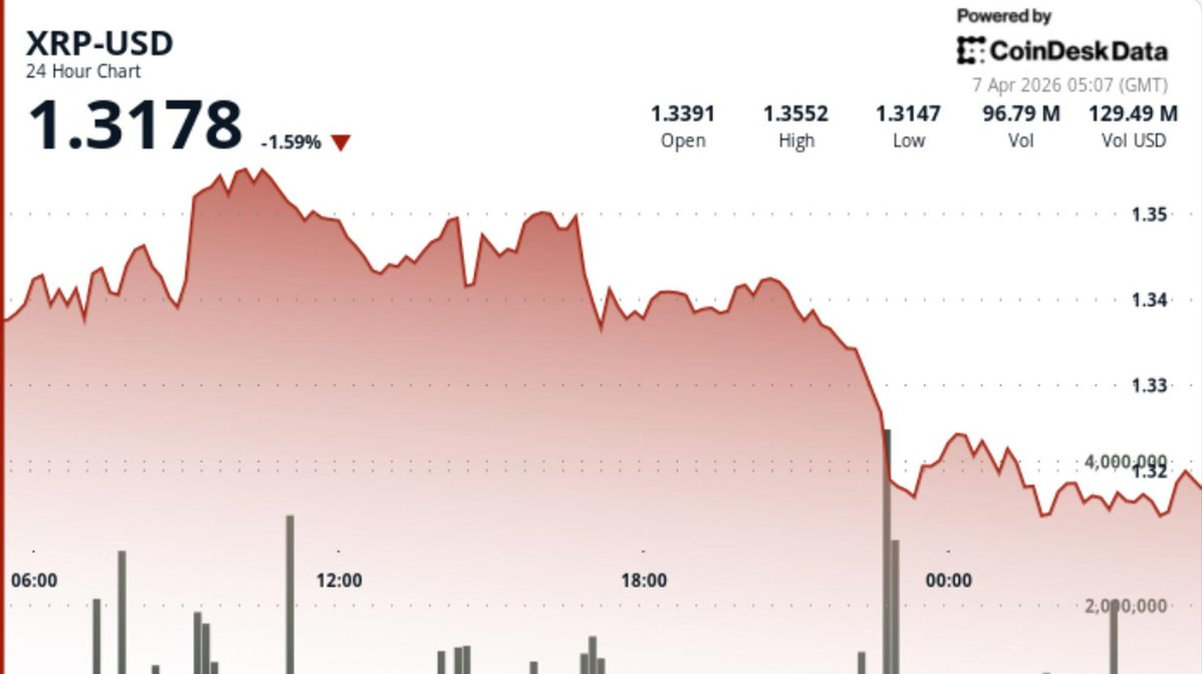
Bitcoin's sudden plunge below the $65,000 mark has triggered a massive wave of forced selling across cryptocurrency markets, with total liquidations exceeding half a billion dollars in a single day. This sharp downturn has rattled investor confidence and highlights the extreme volatility that continues to define the digital asset space. Analysts point to a combination of macroeconomic pressures and overheated leverage in the derivatives market as the primary catalysts for the sell-off.
Beyond the immediate financial turbulence, the crypto sector faces a persistent and growing threat from sophisticated cybersecurity attacks. Security firms are reporting a marked increase in malware and phishing campaigns specifically designed to target digital asset holders and exchanges. These attacks often exploit human error, tricking users into revealing private keys or login credentials through deceptive emails and fake websites.
Of particular concern is the rise of ransomware gangs that now demand payment exclusively in cryptocurrency, leveraging the pseudo-anonymous nature of transactions. Furthermore, hackers are constantly searching for software vulnerability to exploit, sometimes discovering previously unknown zero-day flaws in wallet applications or exchange platforms. A single successful exploit can lead to a catastrophic data breach, compromising the personal and financial information of millions of users.
The recent market stress may inadvertently amplify these security risks. As prices fall and portfolios shrink, investors might be more susceptible to phishing scams promising guaranteed returns or fake recovery services. The frenzy to adjust positions or secure assets can lead to lapses in judgment, making even seasoned traders vulnerable to social engineering attacks.
In response, many projects are turning to the foundational technology itself for solutions. Enhanced blockchain analytics and on-chain monitoring tools are being deployed to trace illicit fund movements and identify suspicious wallet addresses in real-time. The immutable nature of the blockchain ledger provides a transparent, albeit complex, trail for forensic investigators to follow after a data breach or theft.
Industry experts emphasize that security must be a paramount concern, regardless of market conditions. They advise investors to utilize hardware wallets for cold storage, enable multi-factor authentication on all exchange accounts, and maintain extreme skepticism toward unsolicited investment offers. As the value locked in crypto ecosystems grows, so does the incentive for malicious actors, making robust personal and institutional cybersecurity practices non-negotiable.
The convergence of high market volatility and escalating digital threats presents a dual challenge for the cryptocurrency industry. While the market will inevitably fluctuate, the fight against malware, ransomware, and exploits is a constant battle. Building a more secure and resilient infrastructure is critical for fostering long-term trust and stability in the blockchain space, ensuring it can withstand both financial downturns and sophisticated cyber attacks.