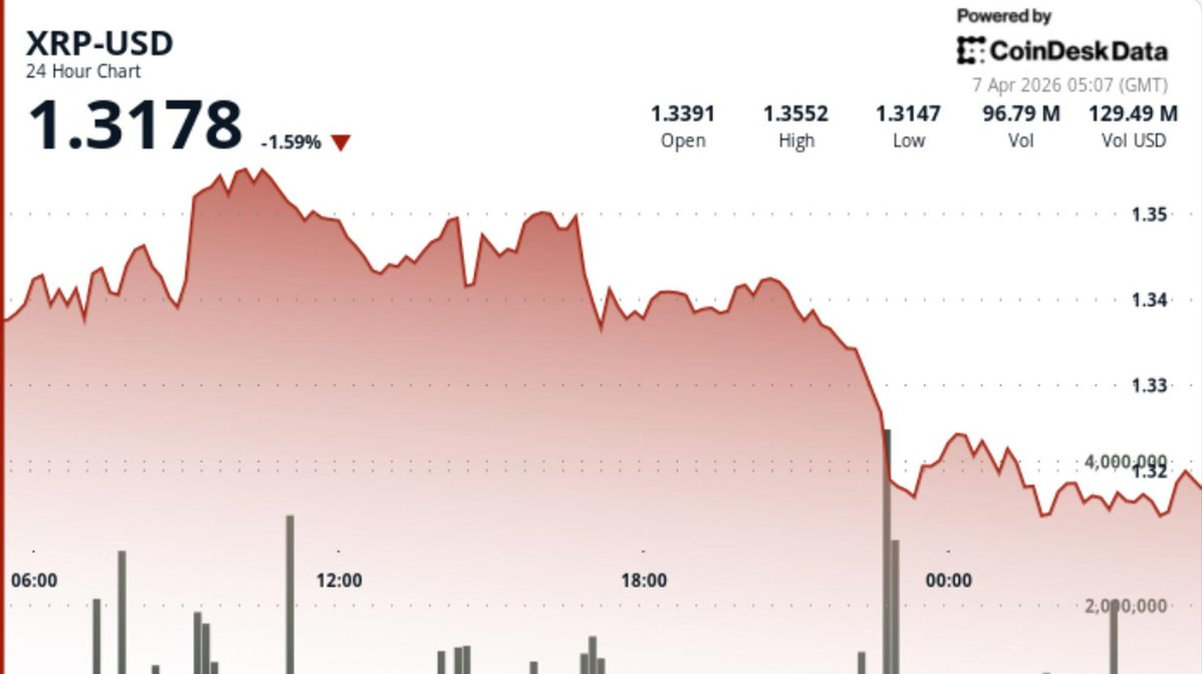
The world of cryptocurrency is often a rollercoaster of speculation and prediction. With Ripple (XRP) experiencing significant volatility, investors are constantly searching for clues about its next major move. In a novel experiment, we bypassed traditional analysts and instead posed the question to four different artificial intelligence models: "When will Ripple’s (XRP) bull run resume?" Their collective answers painted a surprisingly nuanced picture, weaving together market sentiment with stark warnings about the digital ecosystem's underlying risks.
The most optimistic AI, a model trained heavily on financial trends, suggested a resumption could begin within the next quarter. It cited potential positive resolutions in ongoing regulatory discussions and increasing adoption of Ripple's blockchain-based payment solutions by financial institutions as key catalysts. This model framed XRP's future almost entirely within the context of traditional market forces and technological utility.
A second, more cautious AI presented a broader timeline of 6 to 18 months. Its analysis introduced a critical external factor: the overall health of the crypto market. This AI warned that a major data breach or a sophisticated ransomware attack targeting a central exchange or wallet provider could trigger a market-wide panic, drowning out any positive XRP-specific news. It emphasized that investor confidence remains fragile.
The third AI's response was the most alarming, focusing on systemic vulnerability. It argued that the very infrastructure supporting cryptocurrencies, including XRP, is perpetually at risk. A previously unknown zero-day exploit in a popular trading platform or a novel malware strain designed to drain digital wallets could cause catastrophic losses. In this scenario, a bull run would be impossible until such profound cybersecurity flaws were comprehensively addressed.
Echoing this security concern, the final AI highlighted the persistent human element of risk. It predicted that a surge in highly targeted phishing campaigns, tricking investors into surrendering their private keys, could precede or undermine any price recovery. "The market can be rising, but if individual holders are being systematically compromised, the rally is built on sand," the AI's response noted. It stressed that security hygiene is as important as market analysis.
Synthesizing these perspectives reveals a clear theme. The AIs did not simply provide a date; they outlined a landscape of prerequisites. For XRP's bull run to resume sustainably, two parallel tracks must advance: positive regulatory and adoption momentum must coincide with a demonstrable hardening of the entire digital asset space against attacks.
Ultimately, the surprising takeaway from our AI panel is that the question of "when" is inextricably linked to "how safe." The future of XRP, and indeed much of the crypto market, may depend less on charts and more on the silent, ongoing war against cybersecurity threats. The bulls may be waiting not just for a regulatory green light, but for proof that the digital vaults are truly secure.