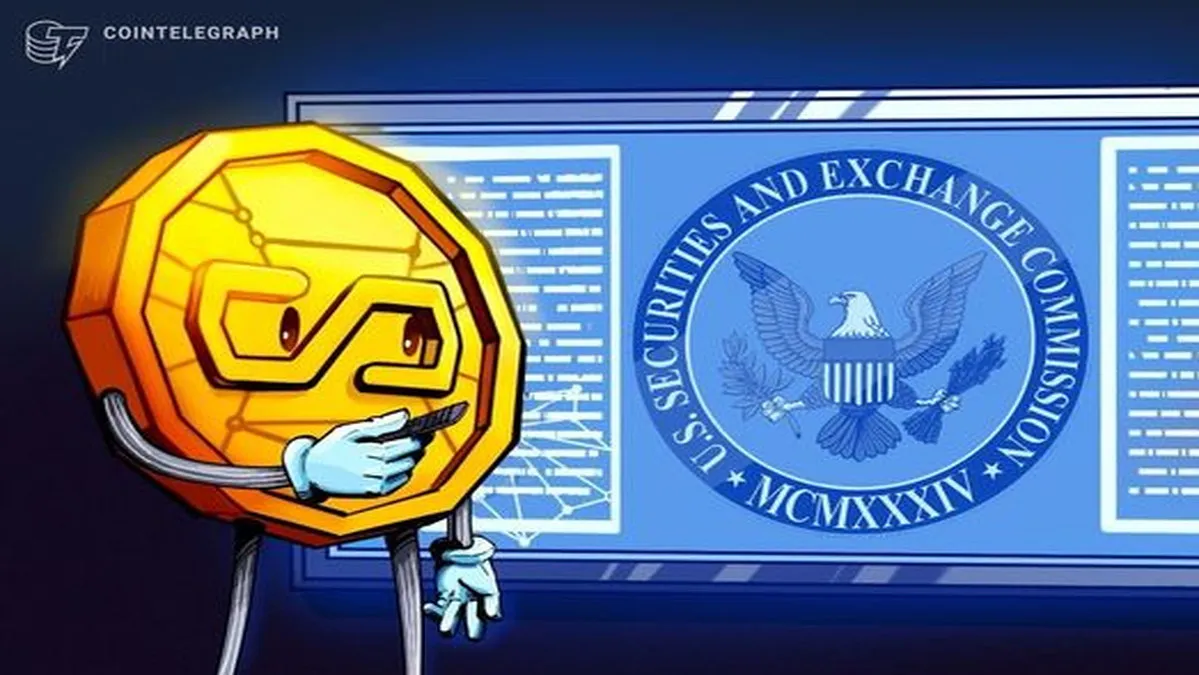
In a landmark decision that merges traditional finance with the digital asset frontier, the U.S. Securities and Exchange Commission (SEC) has issued new guidance permitting broker-dealers to take a two percent "haircut" on the value of certain stablecoins held in customer accounts. This technical accounting move, aimed at addressing the inherent volatility and risk in the crypto sector, has sent immediate shockwaves through the cybersecurity community, highlighting the complex digital threats facing financial institutions.
The ruling is a direct response to the escalating threat of sophisticated malware and ransomware attacks targeting financial networks. Regulators are acutely aware that a successful data breach at a major broker-dealer holding digital assets could be catastrophic. The two percent valuation adjustment acts as a pre-emptive financial buffer, acknowledging the real risk that assets could be frozen or stolen in a cyber-attack before firms can react. This creates a novel link between accounting policy and cyber risk management.
Central to the concern are zero-day vulnerabilities in the software underpinning both traditional trading platforms and the blockchain protocols on which stablecoins operate. A previously unknown flaw, or vulnerability, could be exploited by attackers to drain funds or manipulate transactions. The opaque nature of some crypto projects makes it difficult for firms to guarantee the security of the underlying code, forcing the SEC to mandate a conservative valuation approach.
Furthermore, the human element remains the weakest link. Phishing campaigns have grown increasingly targeted, with criminals posing as regulators or platform administrators to steal credentials from finance professionals. A single successful phishing email could provide attackers with the keys to move or lock away millions in customer-held stablecoins. The haircut implicitly factors in the high probability of such social engineering attacks succeeding.
The guidance specifically ties the haircut to stablecoins that are not fully backed one-to-one by cash or cash equivalents, recognizing that their stability is ultimately a function of code and smart contract integrity—elements vulnerable to hacking. This creates a de facto security rating, incentivizing stablecoin issuers to undergo rigorous, transparent audits of their blockchain infrastructure to avoid having their assets discounted by broker-dealers.
Industry reactions are mixed. Some cybersecurity experts applaud the move as a pragmatic, if blunt, instrument that forces financial firms to formally price digital asset risk into their models. Others warn it could create a false sense of security, as a two percent buffer may be insignificant in the face of a major, coordinated ransomware attack that encrypts or exfiltrates entire digital asset reserves.
Ultimately, the SEC's decision is a stark acknowledgment that the traditional walls of financial security are being tested by digital threats. By institutionalizing a "crypto haircut," regulators are not just adjusting balance sheets; they are sending a clear message that until the cybersecurity frameworks around digital assets become as robust as those in traditional banking, the assets themselves will be considered inherently risky and valued accordingly. This policy may well become a benchmark as other global regulators grapple with the same convergence of finance and digital vulnerability.