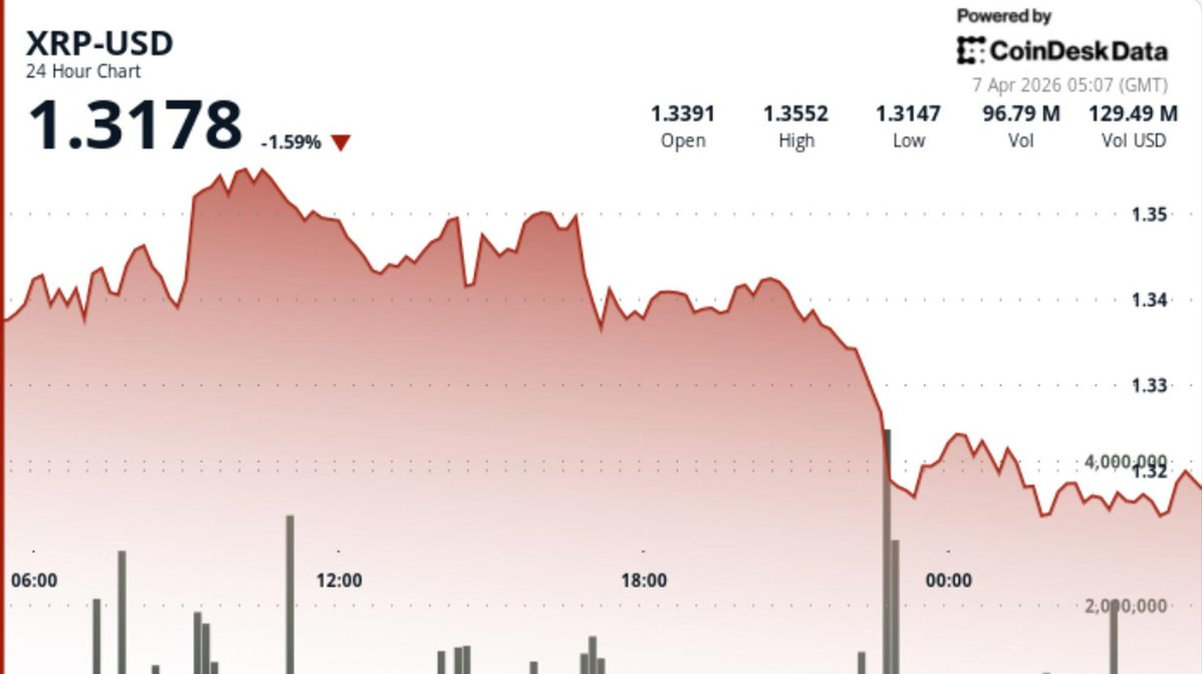
The cryptocurrency market is facing a new wave of volatility, but for XRP, the decline is steep and accompanied by a worrying silence. The price of Ripple's associated token has tumbled 11% over the past week, significantly underperforming the broader market. This sharp drop coincides with a complete evaporation of investor enthusiasm for a potential XRP exchange-traded fund (ETF), a product once seen as a major catalyst for the asset.
Analysts point to a perfect storm of negative factors. The broader market downturn, driven by macroeconomic fears, has hit all digital assets. However, XRP faces unique headwinds. The prolonged legal battle between Ripple Labs and the U.S. Securities and Exchange Commission (SEC), despite recent partial victories for Ripple, continues to cast a long shadow of regulatory uncertainty. This ambiguity is the primary reason major financial institutions are avoiding any push for an XRP ETF.
The fading ETF prospects reveal a deeper issue for XRP: a crisis of confidence. While the technology behind Ripple's payment network is used by some financial institutions, the direct value accrual to the XRP token remains a subject of intense debate. Investors are increasingly questioning its utility and growth narrative, especially when compared to the clear use cases driving demand for Bitcoin and Ethereum ETFs.
This loss of confidence makes the XRP community a potential target for another kind of digital threat: cybersecurity exploits. As prices fall and frustration grows, holders can become more susceptible to sophisticated phishing campaigns. Scammers often use fake announcements about ETF approvals or new Ripple partnerships to lure users into revealing wallet keys or sending funds to fraudulent addresses.
The cybersecurity risks extend beyond individual investors. The entire blockchain and crypto ecosystem remains a prime target for malicious actors. While XRP's ledger has not suffered a major breach, the industry-wide threats of ransomware, data breaches, and zero-day vulnerabilities in wallet software or exchanges are ever-present. A major security incident at a platform holding significant XRP could trigger a further, rapid sell-off.
Furthermore, the lack of institutional ETF interest means fewer large, security-hardened custodians are holding XRP on behalf of clients. A greater concentration of tokens on individual exchanges or in private wallets can, in some cases, increase the systemic risk if one of those points is compromised by a malware attack or a sophisticated exploit.
In conclusion, XRP's current price struggle is about more than just market sentiment. It reflects a fundamental shift in perception. The dream of an ETF, which would have brought institutional security and legitimacy, has faded. This leaves XRP exposed to the market's whims and the persistent cybersecurity dangers that haunt the crypto space. For the token to recover, it will need to rebuild its narrative on utility and regulatory clarity, as the once-anticipated ETF lifeline appears to be gone.