In the high-stakes world of cybersecurity, a new and unexpected player is emerging to challenge the dominance of sophisticated threat actors. While headlines are dominated by stories of crippling ransomware attacks, massive data breaches, and costly zero-day exploits, a quiet revolution is underway. This revolution is not powered by a single, monolithic security firm but by a decentralized network of artificial intelligence agents, and it is fundamentally leveling the playing field for defenders.
For years, the cybersecurity landscape has been asymmetrical. Attackers, from state-sponsored groups to criminal syndicates, need to find only one vulnerability or craft one convincing phishing email to succeed. Defenders, however, must protect an entire digital perimeter, a task made nearly impossible by limited resources and human bandwidth. The discovery of a critical software flaw often leads to a frantic race against time before it is weaponized into a widespread exploit.
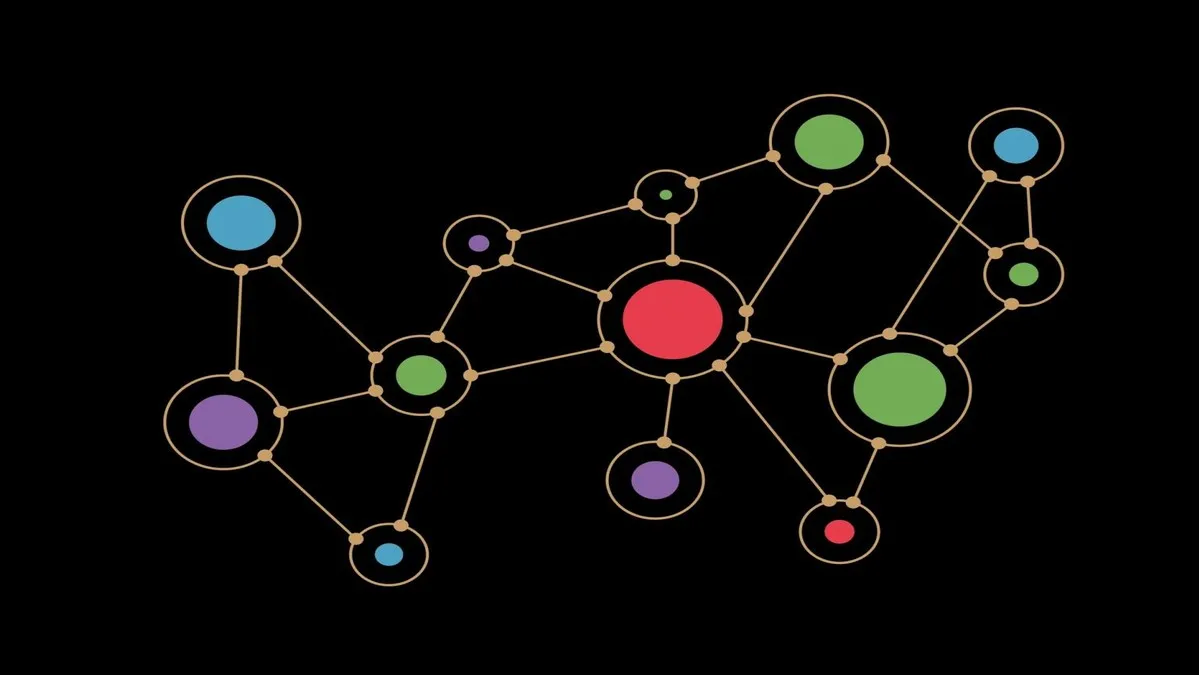
This dynamic is shifting with the advent of decentralized AI. Imagine a global network where thousands of independent AI models, operating on principles similar to blockchain technology, continuously hunt for threats. Unlike a traditional security program housed on a single server, these AI agents work in concert across a distributed ledger. They share intelligence about new malware strains, suspicious network patterns, and novel phishing tactics in real-time, without revealing proprietary data or creating a single point of failure for attackers to target.
The application is particularly potent against fast-moving threats. When a zero-day vulnerability is disclosed, decentralized AI networks can instantly mobilize. They can collaboratively analyze the flaw, generate defensive patches, and distribute detection signatures across the entire network simultaneously. This collective response happens at machine speed, drastically shrinking the window of opportunity for attackers to launch their crypto-locking ransomware campaigns.
Furthermore, this model democratizes advanced security. A small business or a non-profit organization can tap into the same collective intelligence as a multinational corporation. By participating in or subscribing to a decentralized AI security network, they gain access to a constantly evolving, crowd-sourced defense system. This system learns from attacks targeting any node in the network, meaning a phishing attempt on a retail store in one country can harden the defenses of a manufacturer on another continent.
Critics point to potential challenges, including the computational power required and the need for impeccable governance to ensure the AI agents themselves are not corrupted. However, the core promise remains transformative. By leveraging a decentralized, collaborative approach, the cybersecurity community is building a more resilient digital ecosystem. It turns the traditional model on its head, creating a defense that grows stronger and more intelligent with every attempted breach.
The era of isolated defense is ending. The future of cybersecurity lies in interconnected, autonomous intelligence. As decentralized AI networks mature, they offer a powerful counterbalance, ensuring that the tools for robust digital protection are no longer the exclusive domain of the well-funded few, but are accessible to all. This is how the playing field is being leveled, one shared insight at a time.