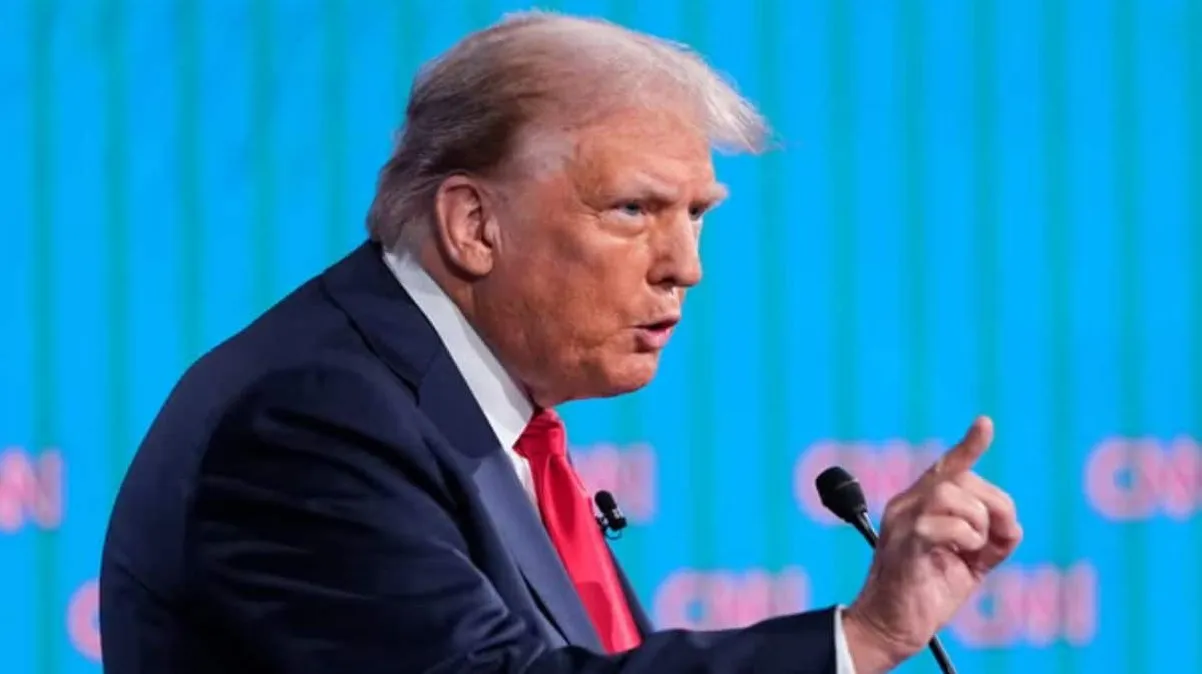
President Trump has signed an executive order imposing a new 10% global tariff, a direct response to a Supreme Court defeat on Friday. The Court ruled against his previous use of emergency powers to levy taxes, calling it an overreach. This new economic policy, enacted under a rarely used legal statute, has sent ripples through traditional markets, with investors now watching crypto for its reaction.
Historical precedent suggests such geopolitical shocks can trigger volatility. Bitcoin faced significant sell-offs during prior tariff announcements, as traders sought liquidity amid traditional market uncertainty. The key question is whether this event will catalyze a similar **crypto** crash, or if digital assets will demonstrate their decoupling narrative.
Beyond market prices, the event underscores the importance of **blockchain security** and robust **cybersecurity** practices for holders. Times of market stress often see a rise in malicious activity. Investors should be exceptionally vigilant against **phishing** attempts and fraudulent schemes promising guaranteed returns during volatility.
The digital asset ecosystem itself remains a target. Sophisticated hackers continuously search for a software **vulnerability** or a **zero-day** **exploit** to compromise platforms. A major exchange **data breach** or a widespread **ransomware** attack on infrastructure could compound any tariff-induced sell-off, eroding user trust.
For now, Bitcoin's price has shown remarkable resilience, holding near the $68,000 level. This stability may be tested as global markets fully digest the tariff implications and their potential impact on trade and inflation. The coming days will be critical for assessing the sustained effect.
This environment demands a focus on security fundamentals. Users must employ strong, unique passwords and enable two-factor authentication on all exchange and wallet accounts. The responsibility for safeguarding assets ultimately falls on the individual, making education the best defense against **malware** and theft.
While the political landscape creates short-term uncertainty, the long-term trajectory for blockchain technology continues to evolve independently. Developments in institutional adoption and regulatory clarity will likely prove more consequential for the market's future than any single geopolitical event. The community watches and waits.