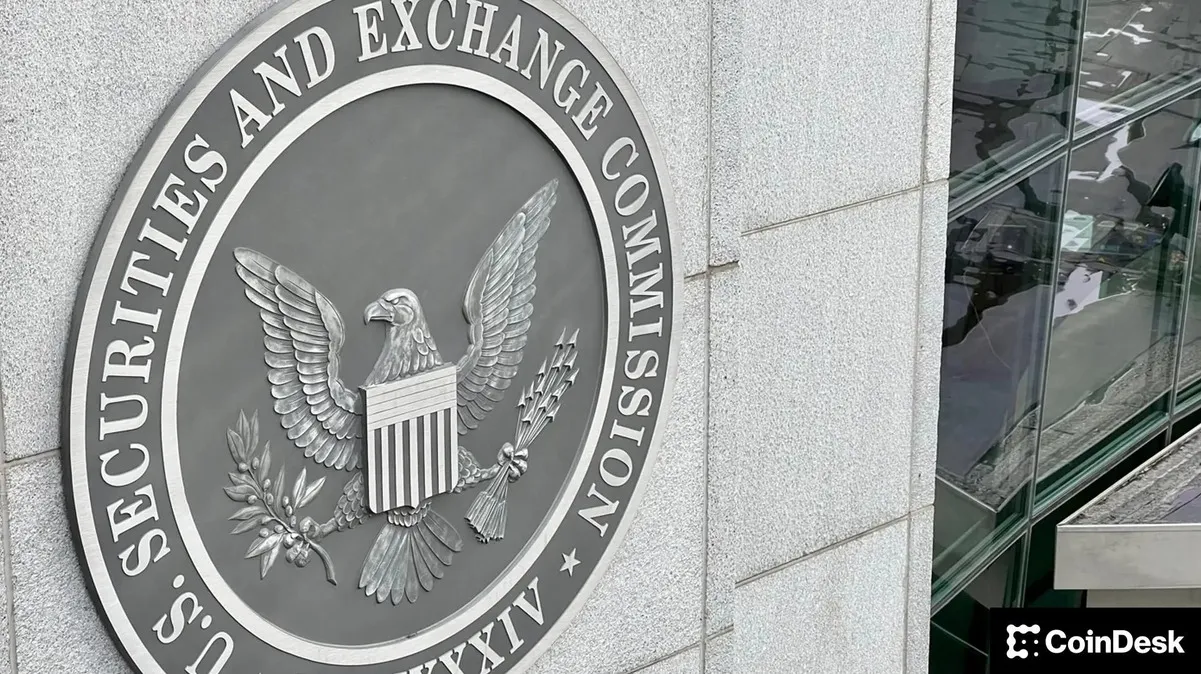
In a quiet but potentially transformative move, the U.S. Securities and Exchange Commission has adjusted its stance, allowing broker-dealers to treat certain stablecoin holdings as regulatory capital. This shift, buried within an update to an online FAQ document, instructs firms to apply only a 2% "haircut" to these digital assets. This effectively permits brokers to count 98% of their holdings in tokens like USDC and USDT toward their capital requirements.
The change signals a significant evolution in the regulatory approach to crypto assets within traditional finance. By providing this clarity, the SEC aims to reduce uncertainty for financial firms engaging with digital currencies. This could lead to increased institutional adoption of stablecoins for daily operations and liquidity management.
However, this integration brings heightened focus on blockchain security and associated risks. Firms must now ensure robust cybersecurity protocols are in place to safeguard these digital holdings. The threat of sophisticated malware or a ransomware attack targeting financial data is a paramount concern for any entity holding digital assets.
The necessity for rigorous internal controls is underscored by the constant risk of a data breach. Financial institutions are prime targets for attackers using phishing schemes to gain access to sensitive systems. A single successful exploit could compromise vast amounts of capital now held in digital form.
Furthermore, the broader crypto ecosystem remains vigilant against technical vulnerabilities. The discovery of a critical zero-day flaw in a widely used stablecoin or its supporting infrastructure could have cascading effects. Such a vulnerability, if left unpatched, could be leveraged to destabilize these crucial digital assets.
This regulatory step, while technical, may pack substantial results for market structure. It acknowledges the growing role of stablecoins while implicitly demanding that firms treat them with the same seriousness as traditional securities. The responsibility for securing these assets falls squarely on the brokers themselves.
Ultimately, the SEC's guidance bridges traditional finance and the digital asset world. It provides a framework for stability but also places the onus of security on participating firms. As the landscape evolves, so too must the defenses against an ever-growing array of digital threats.
The move is seen as part of the regulator's ongoing efforts to shape the crypto market through incremental guidance. Its long-term impact will depend on how securely and effectively broker-dealers can implement these new capital considerations.