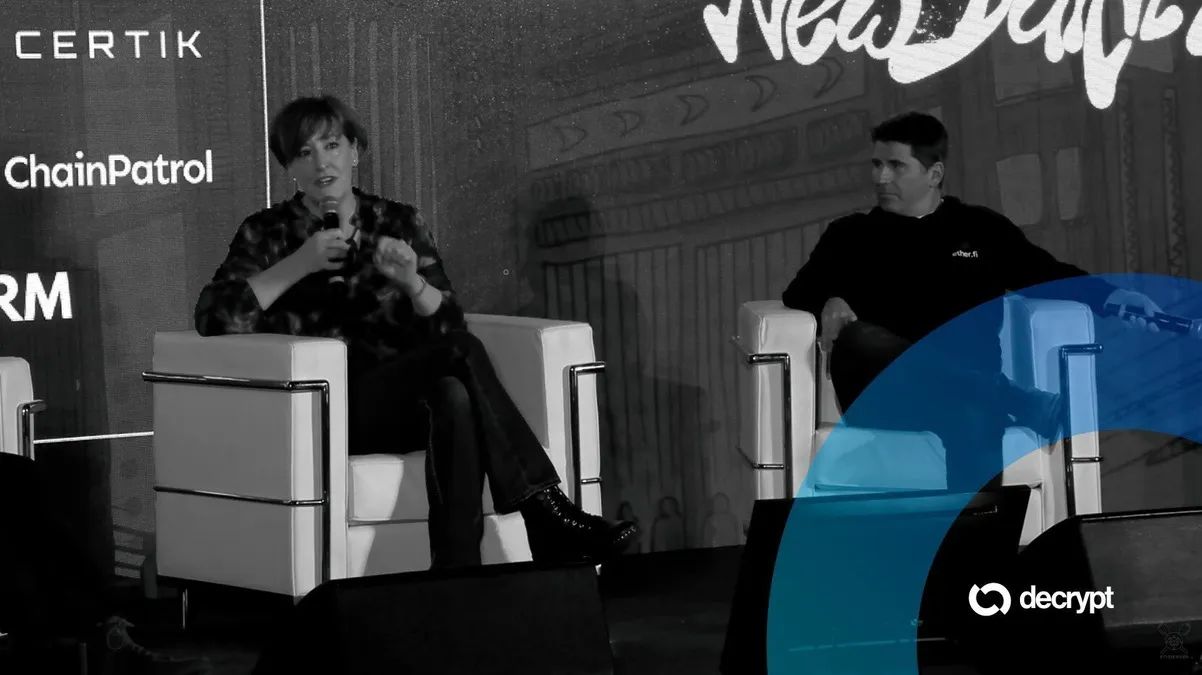
Custodia Bank CEO Caitlin Long has stated that cryptocurrency ventures linked to the Trump family have become a significant obstacle for bipartisan support of the Clarity Act. Speaking at ETH Denver, Long explained that the ethical controversies surrounding these projects have made key senators more hesitant, complicating the path to comprehensive digital asset legislation. Without this legal clarity, she argues, the entire crypto industry faces regulatory uncertainty that stifles innovation and security.
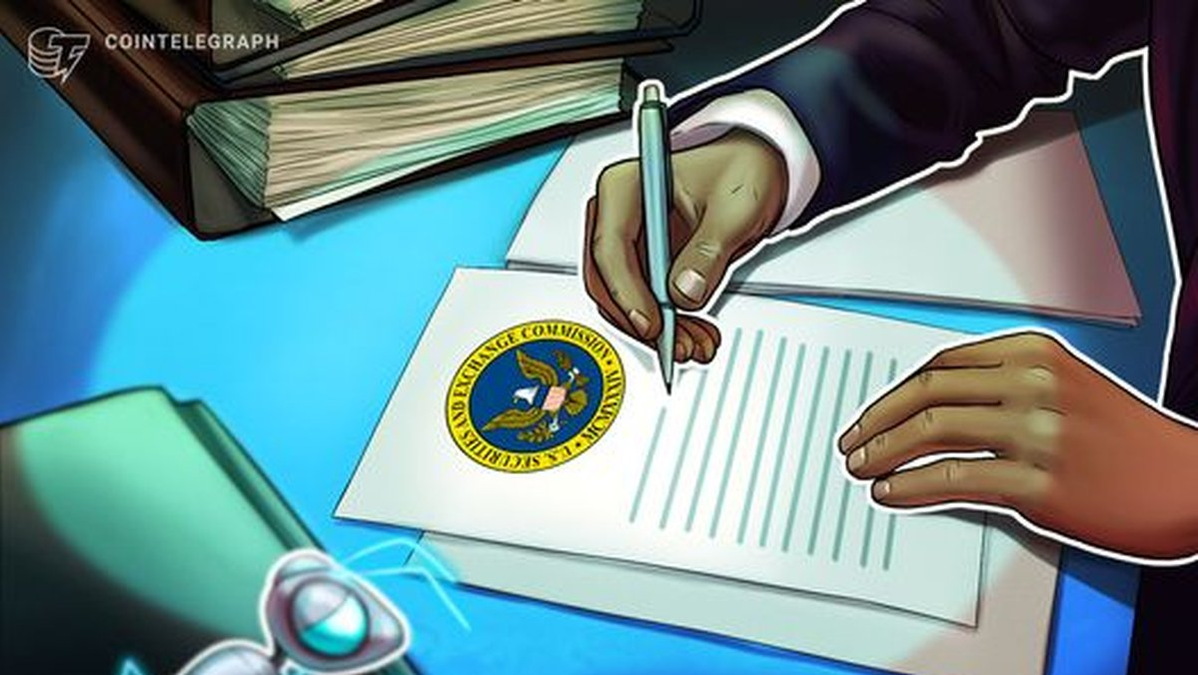
The proposed Clarity Act aims to establish a definitive regulatory framework, splitting oversight between the SEC and CFTC. Long emphasized that such legislation is crucial for fostering a secure environment where blockchain security can mature. Currently, the lack of clear rules leaves projects vulnerable to regulatory shifts and does little to deter bad actors who might leverage vulnerabilities for financial gain.
Long described the bill's fate in the Senate as a "coin flip," noting that disputes over DeFi and stablecoin provisions have caused delays. She warned that without congressional action, regulators would rely on temporary rulemaking. These rules, however, could be easily reversed by a future administration, creating a cycle of instability that harms both businesses and consumers seeking safety in the digital asset space.
This regulatory ambiguity has broader implications for ecosystem safety. A well-defined legal structure is foundational for companies to invest in robust cybersecurity measures. In its absence, the market remains a more attractive target for exploits, including sophisticated phishing campaigns and malware designed to drain digital wallets.
The connection to high-profile political figures, Long suggests, has unfortunately overshadowed the bill's technical merits. The Clarity Act is designed to address critical issues like consumer protection and market integrity, which are essential for preventing incidents like a major data breach or a crippling ransomware attack on financial infrastructure.
Long's comments underscore a pivotal moment for U.S. crypto policy. The industry's growth is increasingly intertwined with national security and economic competitiveness. Proactive legislation could help establish standards that prevent the exploitation of a critical zero-day vulnerability in a widely used protocol, for instance.
Ultimately, the goal is to create a durable system that protects investors and encourages responsible innovation. Passing the Clarity Act would provide the stability needed for long-term planning and investment in security infrastructure. Without it, the United States risks falling behind in shaping the future of digital finance and safeguarding it from evolving threats.