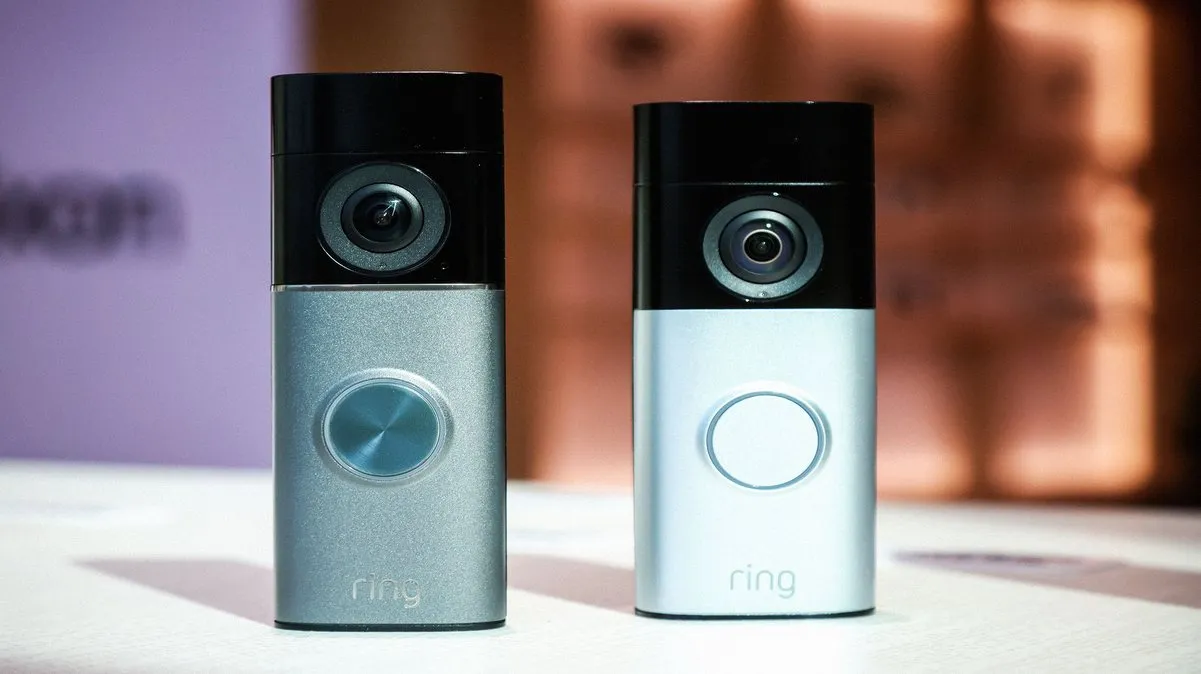
A nonprofit organization is offering a ten-thousand-dollar bounty to anyone who can successfully hack popular Ring security cameras. The goal is not to cause harm, but to create a method that prevents the devices from automatically sharing user data with Amazon, their parent company. The initiative highlights growing public concern over privacy and the opaque data practices of connected devices.
The bounty was announced following significant backlash against a recent Ring Super Bowl advertisement. The ad promoted a feature called Search Party, which uses the camera network to locate lost pets. However, leaked documents suggested the capability could expand to tracking people, sparking widespread criticism. Many viewed it as a normalization of pervasive neighborhood surveillance.
This public relations crisis led to immediate action from Ring, including severing ties with a controversial AI surveillance partner. The company's CEO has been actively addressing the controversy. Yet, for many privacy advocates, these steps are insufficient, fueling demand for a technical solution that returns control to device owners.
The Fulu Foundation, which sponsors the bounty, specializes in rewarding researchers who neutralize user-hostile features in technology. They see this moment as critical for **cybersecurity** and consumer rights. The challenge is to find a **vulnerability** or develop an **exploit** that severs the data pipeline to Amazon without bricking the hardware or exposing users to external threats like **malware** or **ransomware**.
Successfully altering these devices requires deep technical skill. Researchers must navigate potential **zero-day** vulnerabilities in the camera's firmware. The solution must also guard against future **phishing** attempts that could compromise the modified devices. This complex task sits at the intersection of hardware hacking and network **cybersecurity**.
The broader implications touch on foundational digital security principles. A successful modification would empower users, effectively creating a local **blockchain security**-like model where data custody is verified and controlled solely by the owner. This stands in stark contrast to the current risk of a centralized **data breach**, where a single point of failure could expose footage from millions of homes.
While the bounty focuses on a specific device, the conversation it sparks is universal. Every connected gadget presents a trade-off between convenience and privacy. As smart homes grow more complex, the demand for transparent, user-centric security will only intensify, moving beyond reactive measures to proactive ownership of our digital footprints.